Interpretation beats equipment in voice over always. I started my career with a $100 microphone and a closet full of clothes acting as acoustic treatment. Twenty years later, I own a professional studio with Source Connect and have recorded for Coca-Cola, Nike, Google, Ford, Netflix, Amazon, and hundreds of Fortune 500 brands. The microphone I use now costs significantly more than my first one. But here's what hasn't changed: clients hire me for what I do with the words, not for the frequency response of my condenser.
The $3,000 Microphone That Can't Save a Bad Read
I've heard demos recorded on Neumann U87s that sound lifeless. Technically pristine. Acoustically flawless. And completely forgettable. The audio engineering was impeccable — the interpretation was absent. Meanwhile, some of the most compelling voice over I've ever heard came from artists working in treated closets with mid-range gear. According to a 2023 report from Backstage, over 78% of professional voice actors now work from home studios rather than commercial facilities. The democratization of recording technology has been remarkable. But it has also created a massive misconception: that owning professional equipment makes you a professional.
It doesn't.
What Interpretation Actually Means in Practice
When I talk about interpretation, I mean the ability to understand what a script needs emotionally, tonally, and rhythmically — and then deliver that understanding through your voice. This involves reading a script for Ford and knowing instinctively whether it's aspirational or practical. It means understanding that a compliance e-learning module requires authority without condescension. It means knowing when to push energy and when to pull back, when to let a pause breathe and when to drive through to the next thought.
Have you ever listened to an ad and felt vaguely uncomfortable without knowing why?
That discomfort usually comes from misaligned interpretation. The voice is technically fine, the audio is clean, but something in the delivery doesn't match what the words are trying to communicate. The listener's subconscious picks up on it immediately. A 2022 study published in the Journal of Consumer Psychology found that voice-message congruence — the alignment between vocal delivery and message content — increased brand trust by up to 23% compared to misaligned delivery. Equipment cannot create that alignment. Only interpretation can.
Work Buys Gear — The Order Never Reverses
I've said this before and I'll say it again: work buys gear — gear doesn't buy work. Young voice over artists often think that if they just invest in better equipment, the jobs will follow. They spend $2,000 on a microphone before they've booked their first commercial. Then they wonder why the auditions aren't converting.
The reason is simple. Clients don't hear your equipment. They hear your interpretation.
When a creative director at an agency listens to five auditions for a Spanish voice over spot, they're listening for the voice that makes the script come alive. They're not running spectral analysis on the noise floor. They care whether the read feels right for their brand, whether it connects emotionally with their target audience, whether it has the right energy for the visuals they've already cut together. (I've literally never had a client ask what microphone I used — not once in twenty years.)
The Technical Threshold Is Lower Than You Think
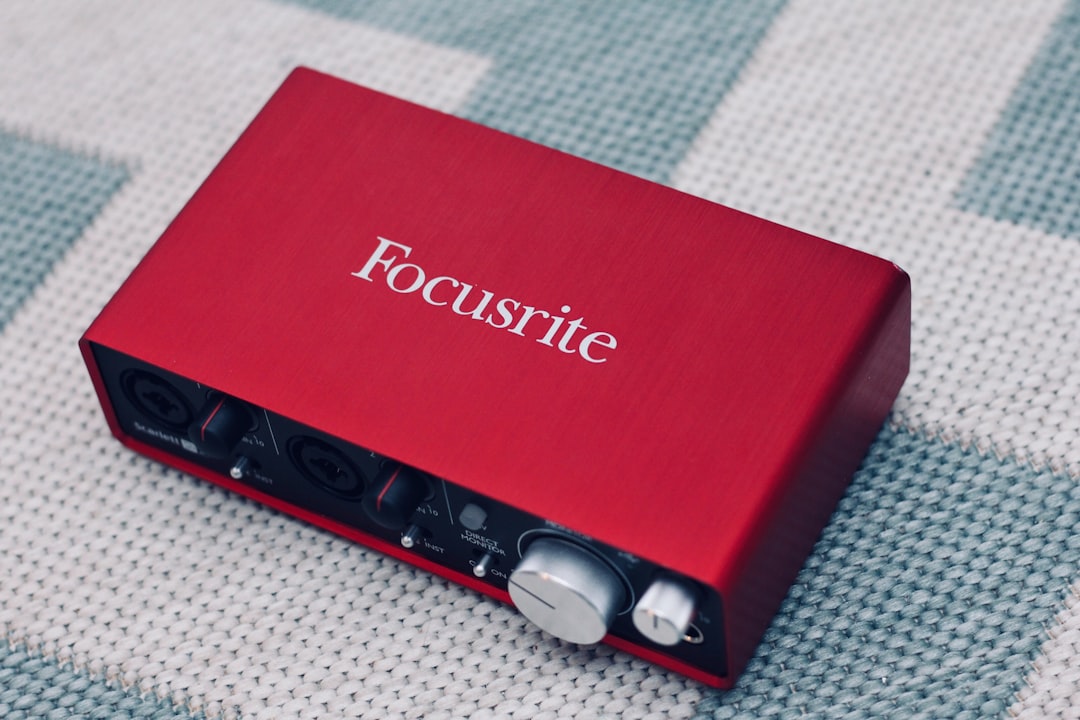
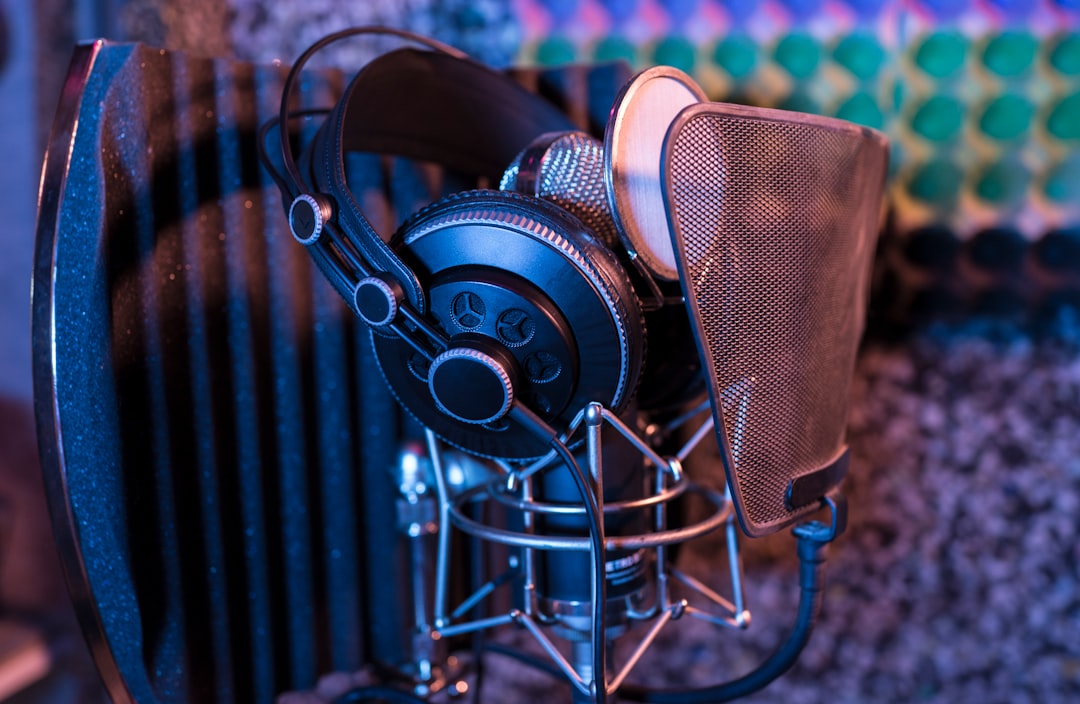
Here's something the gear forums don't want you to know: the technical threshold for professional voice over is surprisingly low. A decent condenser microphone, a treated recording space with minimal reflections, and a basic audio interface will get you 90% of the way there. The remaining 10% of audio quality improvement requires exponentially more investment and delivers diminishing returns that most listeners cannot perceive.
But interpretation? The ceiling is infinite. You can always get better at understanding scripts. You can always refine your ability to take direction. You can always deepen your emotional range.
A Rode NT1 in a properly treated space, paired with twenty years of interpretation skill, will outperform a $15,000 studio setup operated by someone who reads every script the same way. I've seen it happen countless times. I've been on the winning side of that equation myself.
The Demo Test: Where This Becomes Obvious
Your voice over demo must sound exactly like you on your worst day. This is where the interpretation versus equipment debate becomes crystal clear. You can hire a studio to record your demo. You can have an engineer polish every breath, compress every peak, add subtle warmth and presence. The result will sound gorgeous.
And then you'll book a job, show up, and the client will wonder who the hell they actually hired.
Because the demo wasn't showcasing your interpretation. It was showcasing someone else's engineering. The moment you have to deliver without that safety net, the truth reveals itself. Clients who've been burned by this — and many have — learn to listen past the audio quality and focus on what the voice is actually doing with the material.
When Equipment Does Matter
I'm not saying equipment is irrelevant. It matters. It just matters less than people think, and it matters in specific ways.
Equipment matters for meeting technical delivery requirements. If a client needs broadcast-quality files at -24 LUFS with specific format specifications, you need gear capable of delivering that. Equipment matters for Source Connect sessions where latency and audio fidelity affect real-time direction. Equipment matters for reducing technical distractions — excessive noise, room reflections, or harsh frequencies that pull attention away from the performance.
But notice what all of those things have in common: they're about not getting in the way of the interpretation. Good equipment removes obstacles. It doesn't create the performance itself.
The Spanish Interpretation Advantage
In Spanish voice over specifically, interpretation becomes even more critical because of the linguistic and cultural complexities involved. A native Spanish speaker delivering neutral Spanish has to navigate vocabulary choices, regional connotations, and rhythmic patterns that differ dramatically from English. The U.S. Census Bureau reports over 62 million Spanish speakers in the United States alone. They come from Mexico, Puerto Rico, Cuba, Central America, South America, Spain — each with different linguistic expectations.
An expensive microphone cannot help you avoid a Mexicanism when speaking to a mixed Latino audience. That requires interpretation skill. That requires cultural knowledge built over years of professional work. That requires understanding how to modulate your delivery so that a listener from Colombia and a listener from Argentina both feel like you're speaking directly to them.
The Client Perspective
I've worked with hundreds of clients over two decades. They come back because of what I deliver interpretively, not technically. They trust that the audio will be clean and professional — that's table stakes. What they're actually paying for is my ability to understand their brand, interpret their scripts correctly on the first take, and adjust quickly when direction changes.
The best sessions I've had involved minimal technical discussion and extensive creative discussion. We talk about tone, audience, emotion, pacing. We talk about what the brand is trying to communicate and who they're trying to reach. We rarely talk about sample rates.
The First Take Reality
The first take is usually the best. This is another area where interpretation dominates equipment. When I read a script for the first time in a session, my interpretation is fresh. I'm responding to the words naturally, making instinctive choices about emphasis and rhythm. By take fifteen or twenty, that freshness is gone. I'm overthinking. The client is overthinking. Everyone is chasing some imagined perfect version that probably existed in take two.
No amount of expensive equipment can restore that first-take spontaneity. Only interpretation skill allows you to deliver it consistently.
Need a Spanish voice over for your next project? Get in touch and I'll get back to you within the hour.