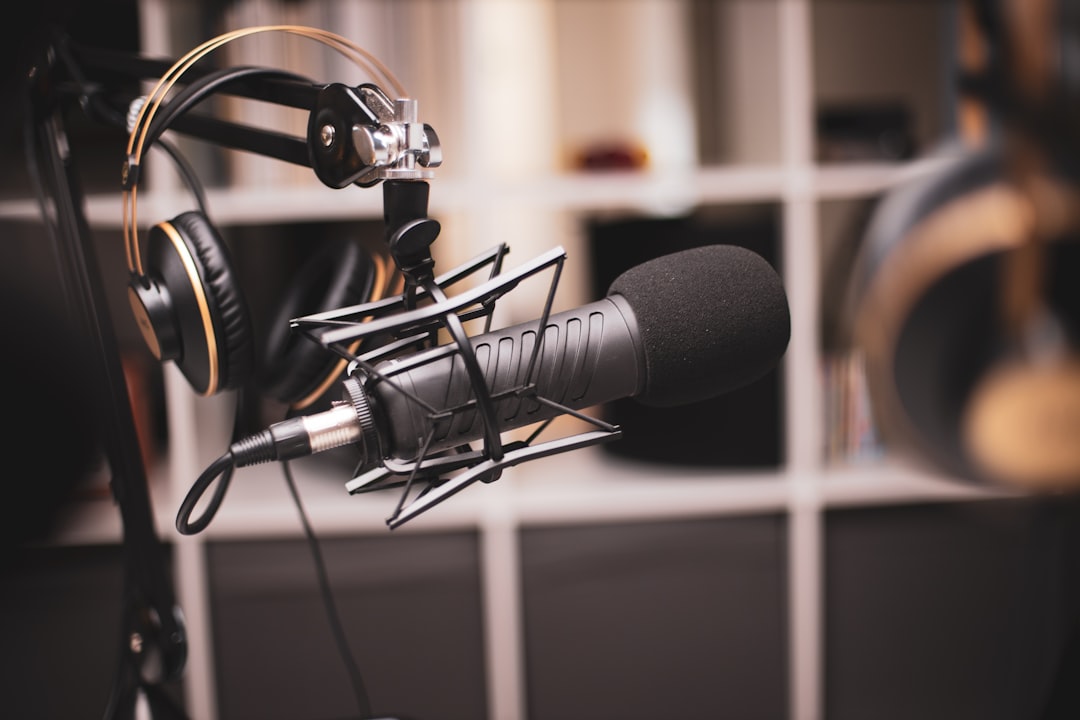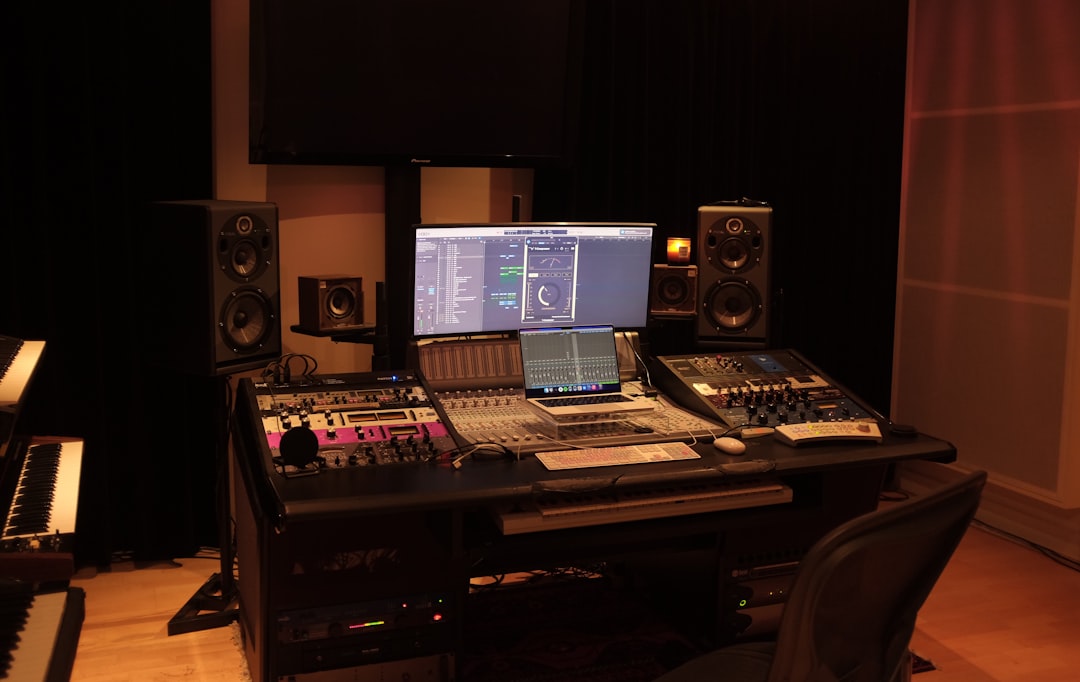
Your home studio setup matters for voice over Spanish work, but probably not in the way you think. The conversation always starts with gear — microphones, preamps, acoustic panels — and almost never with the thing that actually determines whether you book jobs or stare at an empty inbox.
I started with a $100 microphone. That mic recorded spots for brands you've heard of. Work buys gear. Gear does not buy work.
The Microphone Question Is the Wrong Question
Everyone obsesses over microphones. Forums are full of debates about Neumann versus Sennheiser, large diaphragm versus shotgun, tube versus solid state. According to a 2023 survey by Sound on Sound, voice over professionals cited microphone choice as their top equipment concern, with over 60% of respondents having upgraded their primary mic in the last two years.
Here's what actually happens in real sessions: the client cannot tell the difference between a $400 mic and a $4,000 mic. They can absolutely tell the difference between a voice over artist who knows how to interpret a script and one who doesn't.
The Audio Engineering Society published research showing that listeners consistently rate performance quality higher than technical audio fidelity when evaluating voice recordings for commercial use. The human ear forgives a lot of technical imperfection. It does not forgive flat, disconnected delivery.
What the Room Does That the Mic Cannot Fix
Your microphone captures everything in the room. Every reflection, every resonance, every bit of noise from the HVAC system you forgot was running. A $3,000 microphone in a bad room sounds worse than a $300 microphone in a treated space.
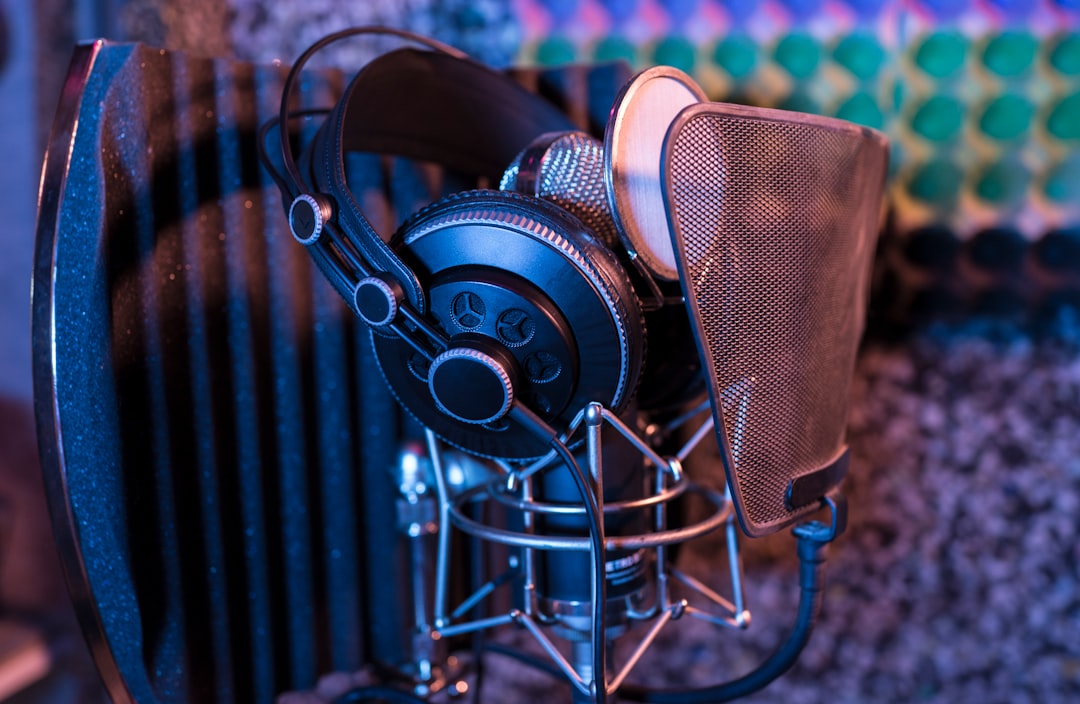
Acoustic treatment is where most home studios fail. Not because people don't buy panels — they buy plenty — but because they install them wrong. Putting foam squares in a grid pattern on one wall does almost nothing. Sound bounces off hard surfaces in predictable ways, and treating a room means understanding those patterns.
I've seen home studios that look impressive on camera and sound like a bathroom. And I've recorded in closets stuffed with blankets that produced broadcast-quality audio. The visual aesthetics of a studio have zero correlation with its acoustic performance (which, by the way, is something gear manufacturers never mention in their marketing).
Source Connect Changed Everything
Remote recording capability separates professional home studios from hobbyist setups. Before the pandemic, Source Connect was already the industry standard for live-directed sessions. After 2020, it became mandatory.
When a client in Los Angeles needs to direct a session with a voice over artist in Buenos Aires, they need real-time audio with studio-quality transmission. Zoom doesn't cut it. The latency and compression destroy the workflow.
Having Source Connect means a client can book you for a session that starts in two hours. They hear exactly what you're recording, in real time, and can give direction as if they were in the room. Have you ever tried to direct a voice over session over a phone connection with a two-second delay? It's like trying to conduct an orchestra through semaphore flags.
The Noise Floor Nobody Wants to Discuss
According to professional audio standards, voice over recordings should have a noise floor below -60dB. Most home studios, even expensive ones, hover around -50dB or worse.
That hum you don't notice? The client's audio engineer hears it immediately. The refrigerator cycling on in the kitchen, the neighbor's lawn service, the birds outside the window that seemed charming until you realized they ruined three takes — all of it shows up in the recording.
Professional noise reduction software can fix some problems in post. But removing noise also removes some of the voice's natural warmth and presence. The cleanest audio is audio that was recorded clean in the first place.
The Computer Problem
Your recording interface matters less than your computer's ability to handle it. Buffer settings, sample rates, driver conflicts — technical issues that have nothing to do with creativity but can destroy a session.
I've watched expensive home studios crash mid-take because someone was running too many browser tabs. I've seen sessions delayed because a software update happened overnight and changed audio routing settings. And I've lost count of how many times I've heard "let me restart my computer" during what was supposed to be a quick pickup session.
The boring, unsexy truth: a dedicated recording computer that does nothing else, running an operating system version that you never update during active projects, will serve you better than the latest Mac Studio running seventeen applications.
What Clients Actually Need From Your Setup
When a brand books a Spanish voice over session, they need three things from your home studio: clean audio, reliable connectivity, and fast turnaround.
Clean audio means no noise, no room reflections, no distortion. Reliable connectivity means Source Connect or equivalent, stable internet, and the ability to send files within minutes of finishing the session. Fast turnaround means you can record today and deliver today.
They do not need to see photos of your gear. They do not care about your mic collection. They have never, in my entire career, asked what preamp I use. The Audio Engineering Society's annual professional survey found that only 4% of clients who hire voice over artists ask about equipment specifications — the rest assume professionals have what they need.
The Interpretation Problem That Gear Cannot Solve
A 2022 study on advertising effectiveness by the Journal of Advertising Research found that voice performance accounted for 38% of listener recall, while audio quality accounted for less than 7%. Listeners remember how something made them feel, not whether the high frequencies were perfectly balanced.
You can build a $50,000 home studio with pristine acoustics, the finest microphones, and perfect signal chain — and still deliver voice over that doesn't connect. Because connection happens in interpretation, in understanding what the script needs, in knowing when to push and when to pull back.
The home studio is a tool. Tools matter. But the carpenter matters more.
The Real Setup Checklist
Here's what you actually need for professional Spanish voice over work:
A quiet room. Not an expensive room — a quiet one. Closets work. Basements work. Spare bedrooms with heavy curtains work. The room you record in should be the quietest space you can access, then you treat it.
A decent microphone. Something in the $300-800 range from a reputable manufacturer will serve you for years. The differences above that price point are real but marginal for voice over specifically.
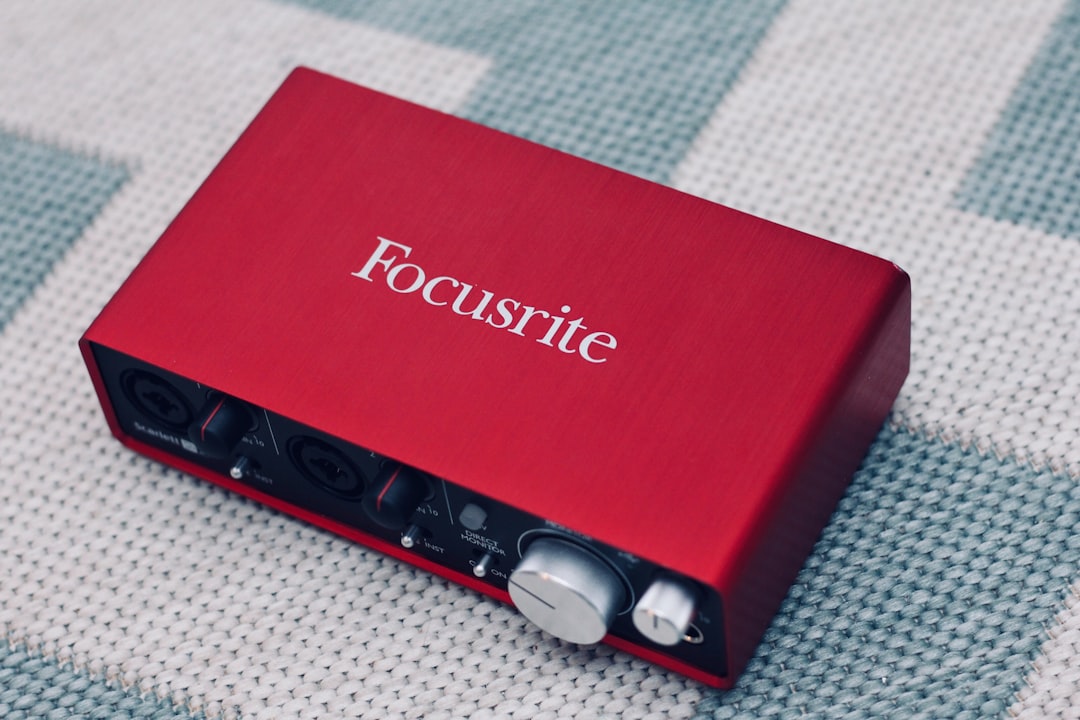
An interface that works reliably with your computer. Focusrite, Universal Audio, RME — pick one with good driver support for your operating system and stop thinking about it.
Source Connect Standard or better. This is non-negotiable for serious work.
Acoustic treatment placed correctly. Bass traps in corners. Absorption panels at first reflection points. A cloud above your recording position if the ceiling is reflective.
Backup everything. Second internet connection on your phone. Backup recording in your DAW. The session that crashes without a backup is the session that costs you the client.
What I Tell New Voice Over Artists About Gear
Stop researching microphones. Record something. Listen to it. If you can hear room reflections, treat your room. If you can hear noise, find the source and eliminate it. If the audio is clean and you're still not booking work, the problem was never the gear.
The home studio setup that matters for voice over Spanish work is the one that lets you focus entirely on performance. When the technical stuff disappears — when you stop thinking about levels and latency and acoustic treatment — that's when you can actually do the job. Every dollar and hour spent on gear beyond that point is probably better spent practicing interpretation or building client relationships.
And if you're reading this trying to figure out whether to upgrade from your current setup, ask yourself one question: have you maxed out what your current setup can do? Because most people haven't, and they never will, regardless of how much they spend.
Need a Spanish voice over for your next project? Get in touch and I'll get back to you within the hour.