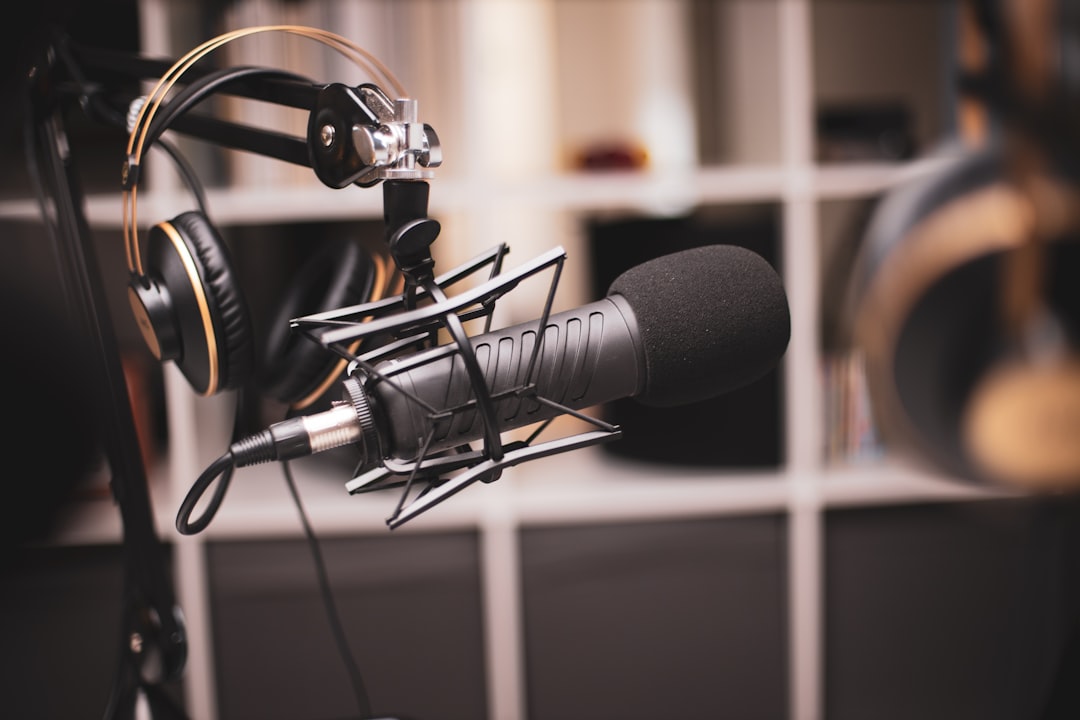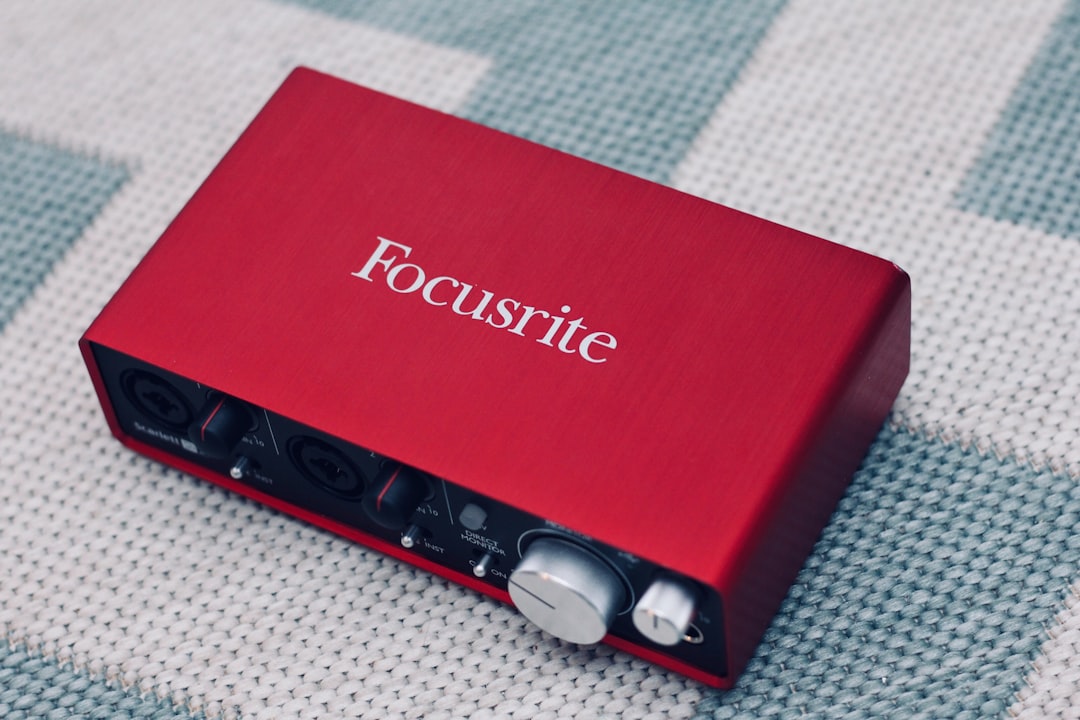
Work buys gear. Gear doesn't buy work. This is the single most important philosophy in voice over that nobody wants to hear, because the alternative — believing that a $3,000 microphone will transform your career — is so much more comforting. I started with a $100 mic and a closet full of clothes serving as acoustic treatment. Twenty years later, I own a professional studio with Source Connect, Neumann microphones, and clients like Coca-Cola, Nike, and Netflix. The studio came after the work. Every piece of equipment I own was paid for by jobs I booked with inferior equipment.
The $100 Microphone That Built Everything
My first microphone cost less than dinner for four at a decent restaurant. The preamp was entry-level. The room was terrible — I hung moving blankets and recorded standing between winter coats. And I booked work. Real work. National campaigns for major brands who cared about one thing: could this voice sell their product to Spanish-speaking audiences?
The audio wasn't pristine. It was good enough. And "good enough" is the threshold that matters, because above that threshold, interpretation determines everything. A mediocre voice reading beautifully recorded audio sounds like a mediocre voice with expensive production. A skilled professional reading through a USB microphone sounds like a skilled professional who needs to upgrade their gear — which they will, once the work pays for it.
Why Beginners Get This Backwards
I've talked to hundreds of voice over artists at conferences and workshops who have $5,000 worth of equipment and $0 in bookings. They've convinced themselves that the missing ingredient is a better microphone, or acoustic panels, or a newer interface. The missing ingredient is almost never the gear.
According to a 2023 industry survey by Gravy For The Brain, over 60% of new voice over artists spend more on equipment in their first year than they earn. That statistic should terrify anyone thinking about entering this business with a gear-first mentality. The money flows in the wrong direction because the psychology is backwards: equipment feels like progress, like investment, like being serious about your craft. Sitting down to cold-call potential clients or improve your Spanish diction for the fourteenth time that week feels like work. One purchases dopamine. The other produces income.
Interpretation Always Wins
Have you ever listened to a voice over demo recorded in a world-class facility that somehow felt flat and lifeless? The technical quality was perfect — pristine noise floor, beautiful frequency response, zero room tone. And it sounded like someone reading words off a page into an expensive microphone. Because that's exactly what it was.
Interpretation cannot be purchased. The ability to take a Spanish script and understand not just the words but the rhythm, the emotional arc, the places where a pause creates meaning — that comes from practice, from study, from doing the work over and over until it becomes instinct. I've recorded against music from the final spot thousands of times, and that experience of understanding how voice and music breathe together took years to develop. No microphone teaches you that. No acoustic treatment reveals when to push and when to pull back.
And the client can tell. They may not know why one read feels alive while another feels dead, but they know. The human ear is remarkably sensitive to authenticity in ways that audio engineers measure and still can't fully explain. Research from the University of Glasgow's Voice Neurocognition Laboratory has shown that listeners make judgments about trustworthiness and competence within 500 milliseconds of hearing a voice. Your $4,000 microphone chain doesn't have time to help you.
The Upgrade Path That Actually Works
Here's the honest progression: You start with equipment you can afford without going into debt. You learn your tools. You book work — any work, small work, work that pays less than you'd like. You take some of that money and improve one element of your setup. You book more work with slightly better audio. You reinvest again.
This cycle takes years. Nobody tells you that because it's not a compelling sales pitch for microphone manufacturers. But every successful Spanish voice over artist I know followed some version of this path. (I've met exactly one who started with a fully outfitted professional studio, and he inherited it from his father who had been in the business for 30 years — the work came first in that family too, just a generation earlier.)
The equipment I use now matters for a specific reason: clients expect broadcast-quality audio delivered same-day, and my setup lets me deliver that consistently. Source Connect means I can do live-directed sessions with agencies in Los Angeles, New York, or Mexico City without anyone leaving their office. But these capabilities only matter because the work already exists. The studio serves the work. The work does not serve the studio.
What Clients Actually Pay For
When Ford hires me for a national Spanish campaign, they're not paying for my microphone. They're paying for 20+ years of understanding how neutral Spanish reaches audiences across all of Latin America and the US Hispanic market. They're paying for the ability to take direction in real-time and deliver takes that need minimal editing. They're paying for the confidence that the final product won't alienate Mexican viewers or Argentine listeners or Puerto Rican customers.
The gear enables delivery. The interpretation creates value.
A study by Nielsen found that US Hispanic consumers control over $1.9 trillion in buying power as of 2023. The brands competing for that market need voice over artists who understand the cultural nuances, the linguistic subtleties, the difference between a read that connects and one that alienates. They need someone who knows that Spanish scripts translated from English are always 30% longer and require editing. They need a professional who can deliver multiple nuanced variants in one session.
They do not need someone with an impressive equipment list and no idea how to serve a brief.
The Confidence Trap
Expensive equipment creates false confidence. I've seen it destroy careers before they started. Someone invests heavily in gear, feels like a professional because their studio looks professional, then can't understand why clients aren't calling. The equipment was supposed to be the answer. When it isn't, there's nowhere left to look except inward — and that's uncomfortable territory.
Meanwhile, the voice over artist with the modest setup who spent six months cold-calling production companies and building relationships has three recurring clients and enough income to start upgrading strategically. They understand something essential: this business runs on relationships and results, not specifications and frequency response charts.
When Gear Does Matter
I'm not arguing that equipment is irrelevant. Obviously it matters. Broadcast clients have technical requirements. Background noise kills a read. Bad room acoustics create problems that can't be fixed in post. If your audio quality is below the professional threshold, you won't book certain jobs regardless of your talent.
But that threshold is lower than the equipment manufacturers want you to believe. A properly treated room with a $400 microphone and a decent interface produces broadcast-acceptable audio. The diminishing returns above that baseline are real but small. Going from good to great audio quality might improve your booking rate by a few percentage points. Going from poor to competent interpretation might improve it by 500%.
The Math Nobody Does
Here's an exercise I recommend to anyone starting out: Before buying any piece of equipment over $200, calculate how many billable hours of work it would take to pay for it. Then honestly assess whether that purchase will directly lead to that many additional hours of work.
A $2,500 microphone needs to generate $2,500 in additional revenue to justify itself. Will it? If you're already booking work consistently and clients have mentioned audio quality as a concern, maybe. If you're struggling to book work at all, the microphone won't solve your actual problem.
The honest answer for most beginners is that the money is better spent on coaching, marketing, or simply saved until work makes the upgrade necessary rather than aspirational.
Twenty Years of Evidence
I've watched this industry evolve from reel-to-reel tape to digital files delivered instantly anywhere in the world. Equipment has become more accessible, more affordable, and more capable. Home studios now rival what professional facilities offered two decades ago. And the fundamental truth hasn't changed: the voice over artists who succeed are the ones who can deliver performances that serve the client's needs, regardless of what microphone captured them.
My studio today exists because clients demanded certain capabilities. Source Connect was requested by agencies who wanted real-time direction. The microphone upgrades came when the work volume justified them. Every piece of gear in my booth earned its place through revenue, through work, through serving clients who came back because the interpretation was right — and the audio happened to be excellent too.
Need a Spanish voice over for your next project? Get in touch and I'll get back to you within the hour.