You probably don't need a pop filter. There. I said it. After twenty-plus years recording Spanish voice over for brands like Ford, Netflix, and Google, I've watched voice over artists obsess over gear that solves problems they don't have while ignoring technique that would solve problems they do have.
The pop filter question comes up constantly in forums, at conferences, in emails from people building their first home studio. And the answer depends entirely on factors that have nothing to do with whether you own a pop filter or not.
What a pop filter actually does
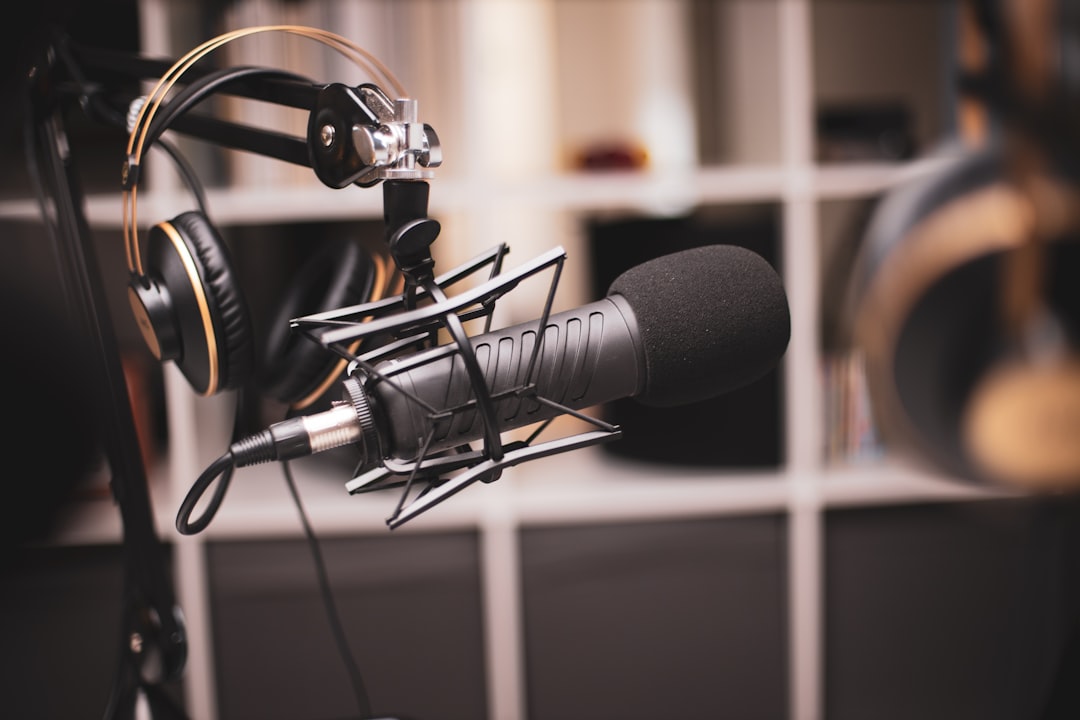
A pop filter sits between your mouth and the microphone. Its job is to diffuse plosive sounds — the burst of air that happens when you pronounce hard consonants like P, B, and T. In Spanish, we add a few more problematic sounds. The letter P in "producto" can hit a sensitive condenser mic like a small explosion if you're positioned wrong.
The physics are simple. When you say "Pepsi," the P pushes air. That air hits the microphone diaphragm faster than it can react naturally, creating a low-frequency thump that distorts the recording. A pop filter breaks up that column of air before it reaches the mic.
But here's what the gear guides don't tell you: mic technique does the same thing. Positioning yourself at an angle to the microphone instead of directly in front of it achieves roughly the same result. Recording at a greater distance achieves roughly the same result. And if you've developed the kind of breath control that comes from actually working as a professional, you learn to soften plosives without even thinking about it.
The $15 solution to a technique problem
According to a 2023 survey by Backstage, 67% of voice actors working from home studios report owning at least one pop filter. The same survey found that acoustic treatment remained the number one concern for audio quality. Which tells you something about priorities.
I started with a $100 microphone. Didn't own a pop filter for the first two years. What I did own was awareness of where I was in relation to the capsule and how hard I was hitting certain consonants. The pop filter came later, when I could afford better gear across the board. It made a marginal improvement. The acoustic treatment I installed made a dramatic one.
Does that mean pop filters are useless? No.
When you actually need one
Some microphones are more sensitive to plosives than others. Large-diaphragm condensers — the Neumann U87, the TLM 103, the Rode NT1 — pick up everything, including the air you didn't know you were pushing. If you're recording in neutral Spanish with close-mic technique for commercial work, and your mic is three inches from your mouth, a pop filter prevents problems you'd otherwise have to fix in post.
Have you ever tried to remove a plosive in editing? It's possible. Adobe Audition has tools for it, and so does iZotope RX. But "possible" and "worth your time" occupy different categories. A ten-dollar nylon pop filter saves you ten minutes of editing per session. Over a month, that's hours. Over a year, it's days.
If your microphone came with a built-in pop filter — and some do, like the Shure SM7B with its foam windscreen — you might not need another one. If you work exclusively in a well-treated booth where you're positioned at 45 degrees to the mic anyway, you might not need one either. But if you're starting out, recording in conditions that aren't ideal, and using a condenser mic designed for studio vocals, a pop filter removes a variable you don't need to worry about.
The metal vs. nylon debate within the debate
Within the pop filter world, there's another argument: metal mesh versus nylon fabric. Metal filters are more durable, easier to clean, and supposedly more transparent to high frequencies. Nylon filters are cheaper, more forgiving, and do the job just fine for voice over.
I've used both. The difference is real but subtle. Metal filters let slightly more high-frequency content through, which can matter for singing but rarely matters for spoken word. Nylon filters absorb a tiny bit of brightness, which in some cases actually helps voice over sound warmer. Neither choice will make or break your career. (I have a Stedman Proscreen on one mic and a generic nylon filter on another — both have been used on major brand campaigns without anyone noticing or caring.)
What actually matters more
The Audio Engineering Society published research in 2022 showing that room acoustics account for approximately 60% of perceived audio quality in voice recordings, while microphone choice accounts for roughly 25% and technique accounts for the remaining 15%. Pop filters don't even appear in the breakdown because their contribution falls within the margin of error.
This matches my experience. The difference between a treated room and an untreated room is immediately obvious to any client, any engineer, anyone with ears. The difference between a recording with a pop filter and one without, assuming decent technique, is subtle enough that most clients wouldn't notice if you didn't tell them.
If you're deciding where to put your money, room treatment beats every microphone upgrade. If you already have decent treatment and a good mic, a pop filter is a reasonable next purchase. But buying a pop filter while recording in an untreated bedroom with reflective walls is solving the wrong problem.
The technique you should develop anyway
Professional Spanish voice over requires control over breath, pacing, and consonant articulation that goes far beyond avoiding plosives. The same discipline that prevents popping your Ps also prevents mouth clicks, sibilance, and the rushed delivery that happens when you're not supporting your voice properly.
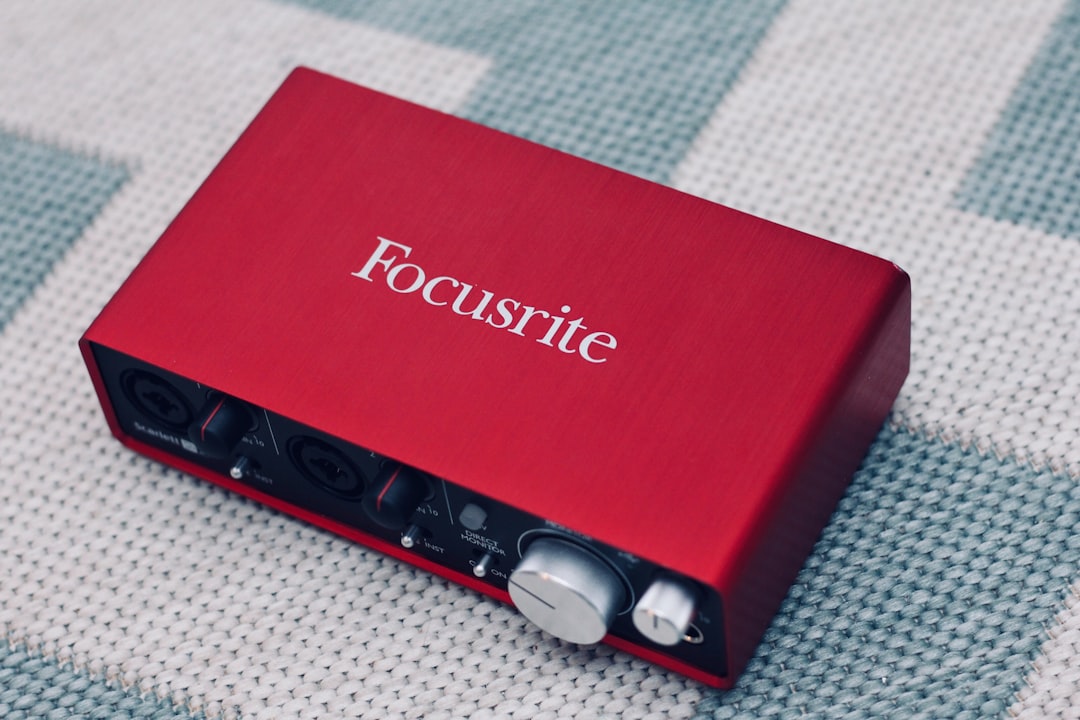
I've directed sessions with voice over artists who owned every piece of gear imaginable and still delivered unusable audio because they hadn't developed fundamental technique. I've also worked with artists who recorded into a Scarlett interface and a mid-range condenser with no pop filter and delivered broadcast-ready takes. The gear mattered less than the skill.
And skill develops over time, with practice, with feedback, with work. Work buys gear — gear doesn't buy work. That principle applies to pop filters as much as anything else.
The practical recommendation
Buy a pop filter if you're using a sensitive condenser microphone, if you record close to the mic, and if you want to eliminate a variable without thinking about it. Don't spend more than $30 on one — the difference between a $15 nylon filter and a $150 metal filter isn't worth the cost for voice over work. Position it about two inches from the mic, speak at a consistent distance, and forget about it.
But don't buy one thinking it will fix audio problems that come from somewhere else. A pop filter doesn't help with room reflections, noise floor issues, mouth noise, or rushed delivery. Those problems require different solutions, and confusing them with a plosive issue will cost you time and money while producing no improvement.
The pop filter debate has a simple answer: it helps a little, costs almost nothing, and matters far less than technique, acoustic treatment, and interpretation. Which means you can buy one, skip one, or use the foam windscreen that came with your mic — and the client will never know the difference if everything else is right.
Need a Spanish voice over for your next project? Get in touch and I'll get back to you within the hour.