Your noise floor is too high. That's probably why your recordings sound amateur, even if your microphone cost $400 and your interpretation is solid. The noise floor problem in home studio voice over setups is the single most common technical issue I hear when reviewing demos or receiving files from talent who haven't figured out the basics yet. And the frustrating part is that most people don't even know what noise floor means until someone tells them their audio sounds "off."
What noise floor actually means
Noise floor is the constant background sound present in your recording when you're not speaking. It includes everything your microphone picks up: air conditioning, computer fans, electrical hum, traffic outside, that refrigerator two rooms away that you swore was silent. According to a 2022 study by iZotope, over 60% of home recordings submitted to professional mixing engineers have noise floor levels above -50dB, which is considered the threshold for broadcast-acceptable audio. Professional studios typically achieve -60dB or lower.
When you speak into the microphone, your voice masks the noise. When you pause, the noise reveals itself. The listener doesn't consciously think "there's a hissing sound" — they just feel that something is wrong. The recording sounds thin, distant, cheap.
The gain staging trap
Here's where most beginners make things worse. They notice their recordings are quiet, so they crank up the gain on their interface. More gain means more signal, which sounds logical. But more gain also means more noise.
The noise floor problem in home studio voice over amateur setups almost always starts here. You boost the gain to get a louder signal, and you boost everything else along with it: the hum from your computer's power supply, the whine from your LED desk lamp, the subtle buzz from the electrical outlet behind your desk.
The correct approach is to reduce noise at the source before amplifying anything. Have you ever listened to a recording where the voice sounds fine but there's a constant bed of static underneath everything? That's gain staging done backwards, noise amplified along with the voice.
The room is the problem
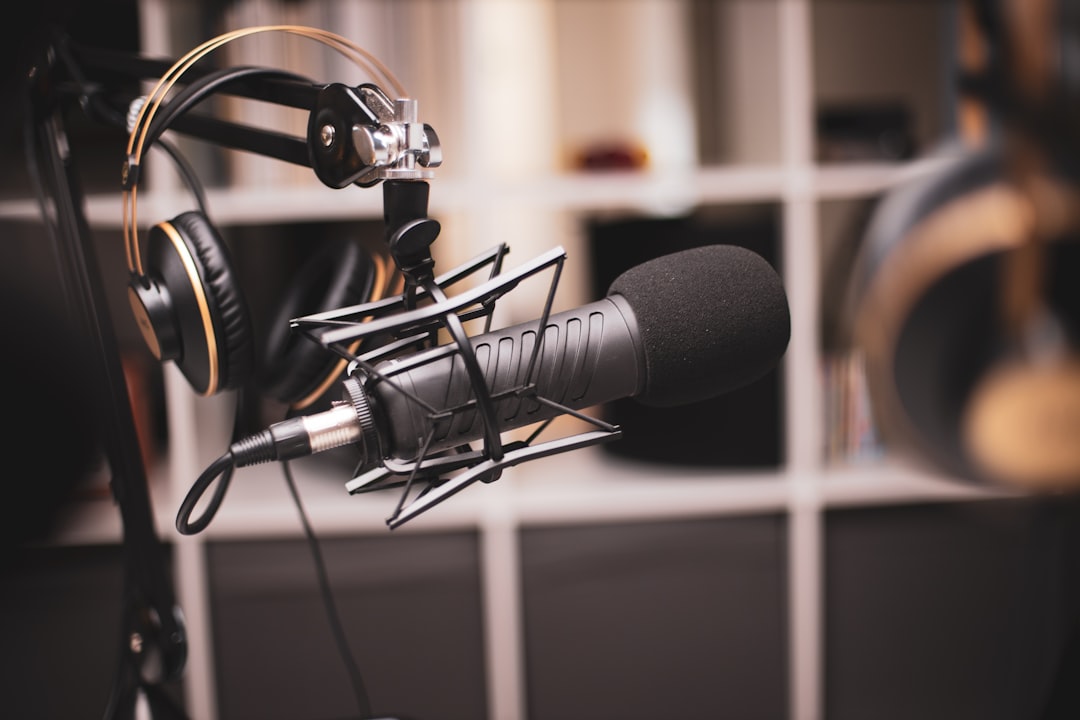
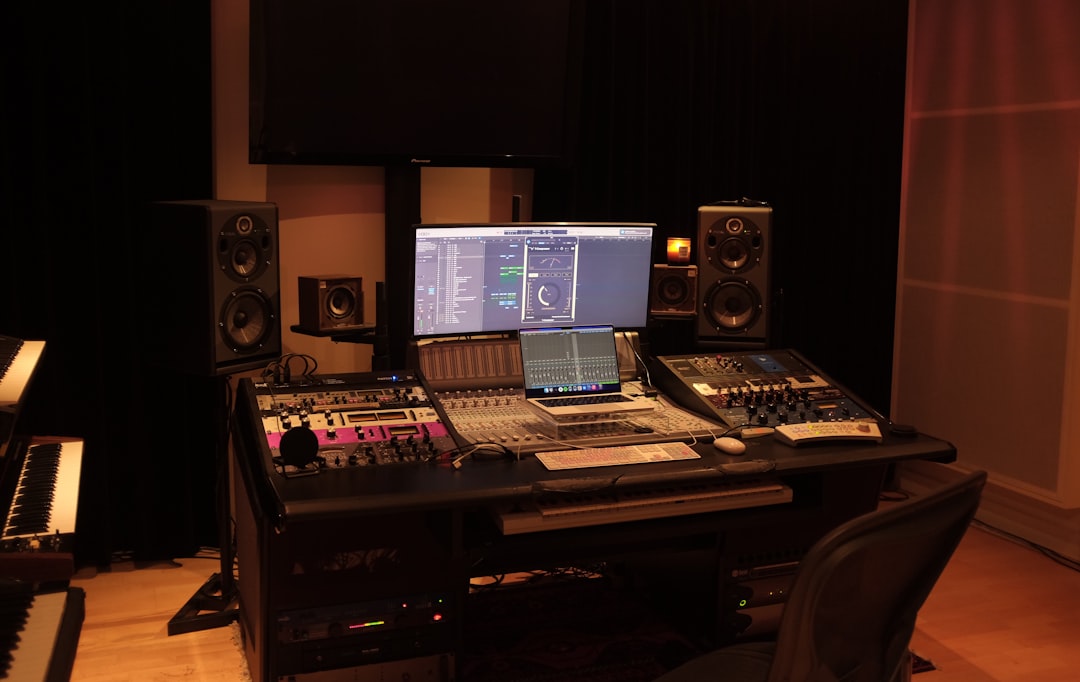
Your microphone doesn't know the difference between your voice and the sound of a truck passing outside. It captures everything equally. A Neumann U87 in a bad room will sound worse than an Audio-Technica AT2020 in a properly treated space. According to research published by the Audio Engineering Society, room acoustics account for approximately 70% of perceived recording quality, while microphone choice accounts for roughly 15%.
I started with a $100 microphone. Work buys gear — gear doesn't buy work. But what allowed that $100 microphone to sound professional was the fact that I recorded in a closet full of clothes, surrounded by soft surfaces that absorbed reflections and blocked external noise.
The Spanish voice over amateur sound noise floor fix that actually works has nothing to do with buying a better microphone. It has everything to do with controlling your environment.
Identifying the sources
Turn on your recording software. Set your gain to your normal recording level. Don't speak. Just listen.
What do you hear?
If you hear a continuous hiss, that's either electrical noise from your interface or self-noise from your microphone. If you hear a low hum, that's probably a ground loop or electrical interference. If you hear intermittent sounds — clicks, distant traffic, muffled voices — that's environmental noise bleeding through your walls or windows.
Each problem requires a different solution. A noise gate (which I'll get to) won't fix a ground loop. Acoustic panels won't help with electrical hum. You need to diagnose before you treat.
The noise gate myth
Everyone discovers noise gates at some point and thinks they've solved everything. The gate closes when you stop talking, cutting the noise during pauses. Problem solved, right?
No. A noise gate doesn't eliminate noise — it just hides it during silences. When you speak, the gate opens and all that noise comes flooding back. The result is audio that sounds choppy, with the noise pumping up and down as the gate opens and closes. Professional engineers can spot a badly configured gate in two seconds.
Noise gates are useful for extremely clean audio that has minimal background noise to begin with. They're not a fix for a noisy recording environment. (I've heard demos where the gate is set so aggressively that it clips the beginning of words — "ello" instead of "hello," "anks" instead of "thanks.")
The real solutions
Turn off everything you can turn off while recording. Computer in another room with the monitor extended, or at minimum, pointed away from the microphone. Air conditioning off. Phone on silent and face down. Any device with a fan — gone.
Hang heavy blankets around your recording position. Not on the walls across the room — immediately around you, within two feet of the microphone. Mass absorbs sound. Moving blankets from a hardware store work better than expensive acoustic foam because they're denser.
If you're recording during the day and you live near traffic, record at night. Or early morning. The ambient noise floor in an urban environment drops by 10-15dB between rush hour and 3am, according to environmental noise studies conducted by the EPA.
Check your cables. Replace anything that crackles or buzzes when moved. Use balanced XLR cables, not unbalanced quarter-inch cables. Keep audio cables away from power cables.
The numbers that matter
For broadcast-quality Spanish voice over, you want a noise floor below -60dB. For web content, you can get away with -50dB to -55dB, though anything higher starts becoming audible. For podcast-style content where there's music underneath, -45dB might be acceptable, but it's still not professional.
Your DAW has meters. Use them. Record thirty seconds of silence at your normal settings and check the peak level of that silence. That's your noise floor. If it's anywhere above -50dB, you have work to do before you start accepting professional jobs.
Post-production can only do so much
Yes, tools like iZotope RX can perform miracles on noisy audio. I've used them to rescue recordings that seemed unsalvageable. But noise reduction always involves tradeoffs — removing noise also removes subtle harmonics from the voice, making it sound processed, artificial, thin. The more noise you remove, the worse the voice sounds.
The noise floor fix for home studio Spanish voice over has to happen during recording, not after. Post-production should be for polish, not rescue operations.
When clients notice
Most clients can't articulate what's wrong. They'll say the audio sounds "a bit off" or "not quite professional." They won't say "your noise floor is at -42dB and I can hear your neighbor's dog." But they feel it. And they make decisions based on that feeling.
I've lost count of how many times I've been told a client chose one voice over another because the audio "sounded cleaner" — when the interpretation was actually worse. Clean audio builds trust. Noisy audio creates doubt. The client wonders: if this person can't control their recording environment, what else are they cutting corners on?
The minimum viable setup
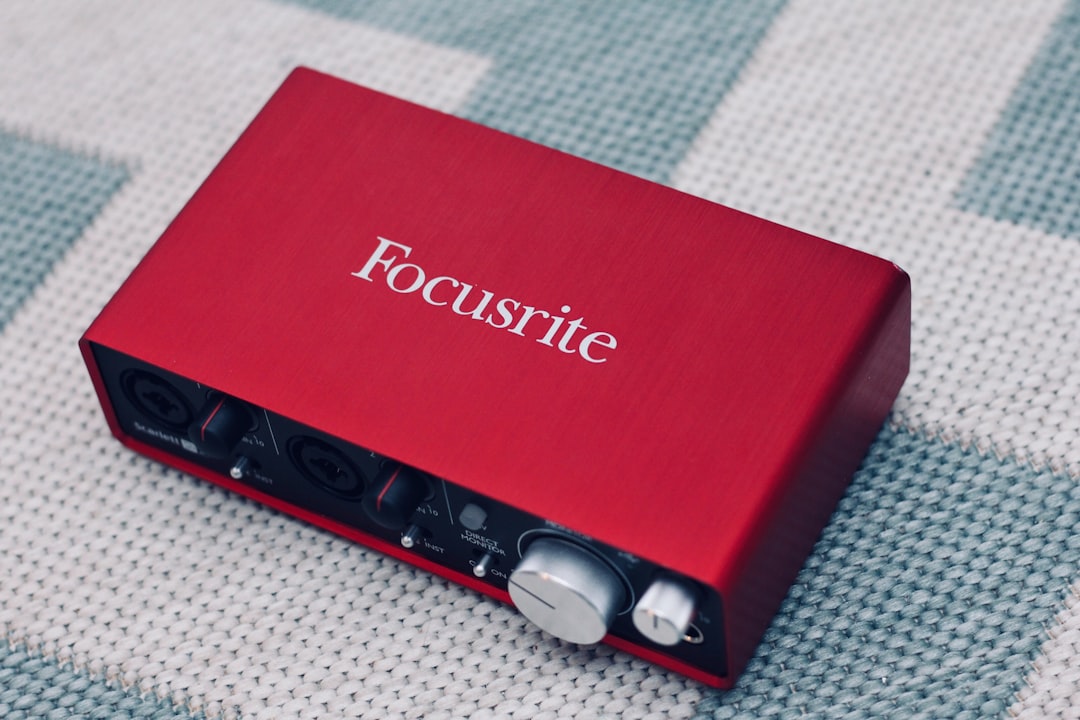
You don't need $10,000 worth of equipment. You need a decent condenser microphone ($200-400 range), a reliable audio interface with clean preamps (Focusrite Scarlett, Universal Audio Volt, or similar), and a controlled environment.
That environment can be a closet, a corner of a room surrounded by moving blankets, or a portable vocal booth. What matters is that it reduces external noise and controls reflections. The rest is technique: proper gain staging, consistent microphone distance, recording at appropriate times.
And then it's interpretation. Interpretation always beats equipment. But interpretation on top of clean audio is what actually books the job.
Need a Spanish voice over for your next project? Get in touch and I'll get back to you within the hour.