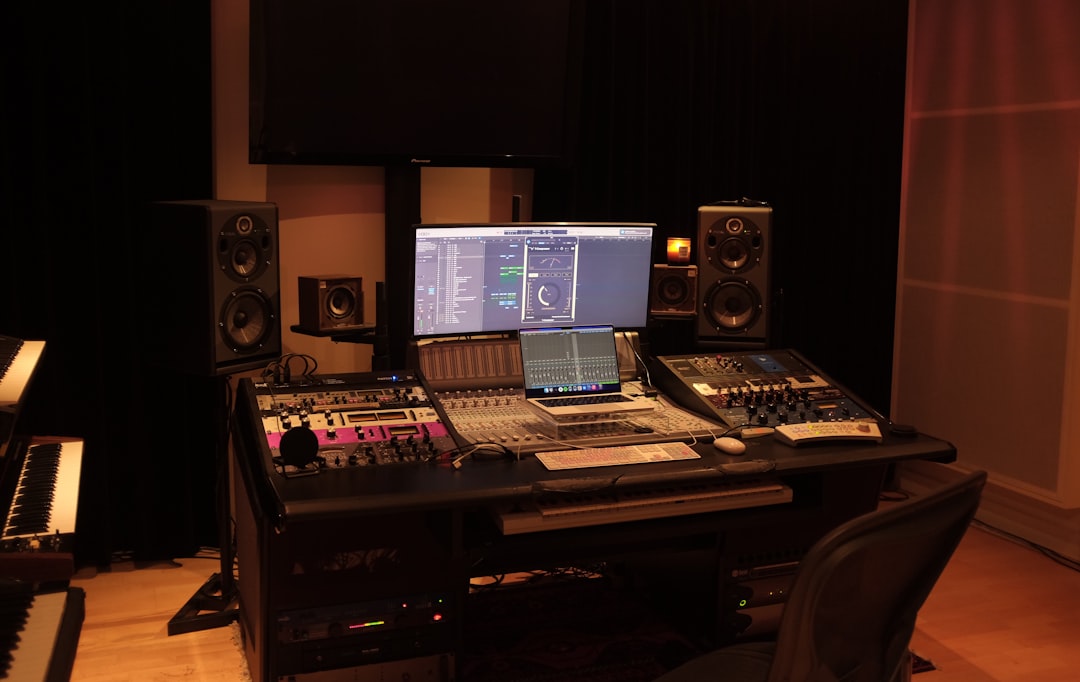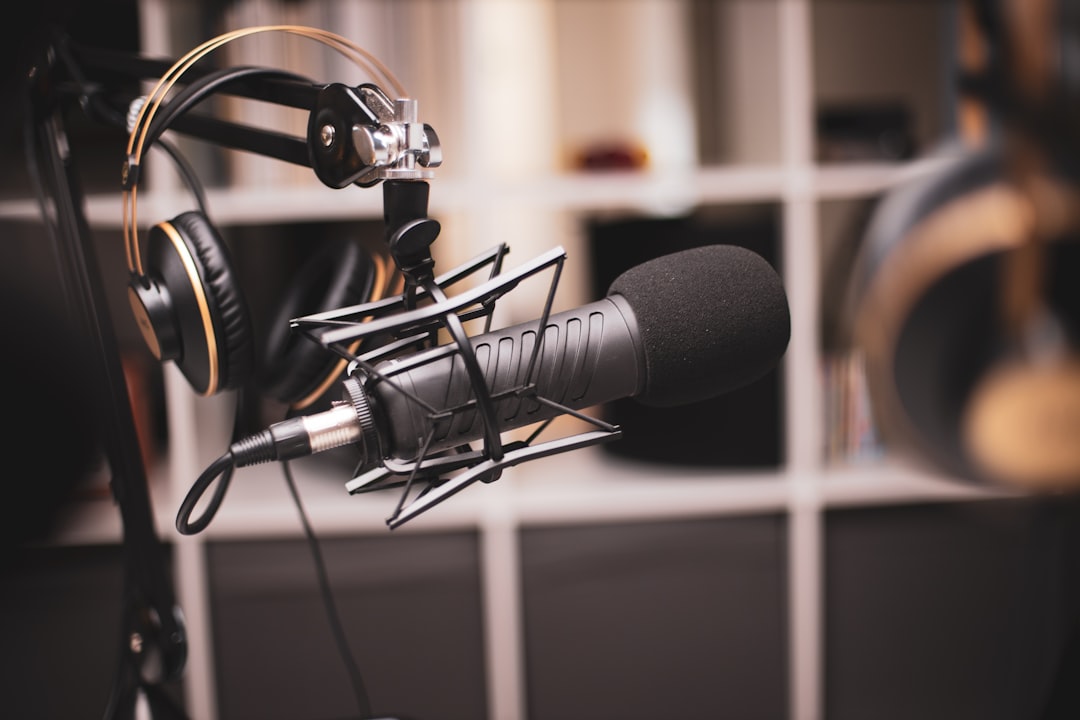
The gear trap in voice over is this: people buy equipment thinking it will get them work, when the sequence is exactly reversed. Work buys gear. Gear does not buy work. I started with a $100 microphone. The clients who hired me back then hired me because of how I interpreted scripts, not because of my frequency response curve.
I've seen this pattern repeat for over 20 years. Someone decides to get into voice over, immediately drops $3,000 on a Neumann U87, builds acoustic treatment they saw on YouTube, buys an Apollo interface, and then wonders why nobody is calling. They have a studio that looks professional. They have equipment that sounds professional. What they don't have is the skill that makes any of it matter.
Interpretation is the only thing clients pay for
A 2023 survey by the Global Voice Acting Academy found that 78% of voice over artists who purchased professional-grade equipment in their first year earned less than $5,000 from voice work in that same period. The equipment didn't correlate with income. What correlated was years of practice, acting training, and demo quality that actually represented the person's abilities.
Clients don't hear your microphone. They hear your interpretation. They hear whether you understand the script, whether you can deliver direction, whether you sound like a human being talking to another human being or like someone reading words off a page. A $100 microphone in the hands of someone who can interpret will book work that a $5,000 microphone in the hands of a reader never will.
The $100 microphone truth
I built my career on interpretation. The microphone upgraded itself over time — because the work paid for better equipment, which allowed for even more work. That's the correct sequence. You develop skill, skill attracts clients, clients generate income, income improves your setup. Reversing it is like buying a Ferrari before you have a driver's license.
And the irony is thick: the people most likely to fall into the gear trap are often the ones who think they're being "professional" by investing upfront. But professionalism in voice over has nothing to do with your signal chain and everything to do with your ability to serve the client's brief. Can you take direction? Can you adjust faster, slower, more emotional, without complaint? Can you deliver a first take that already works? (Which, by the way, is usually the one that gets used — the first take is usually the best, and clients who ask for 50 takes end up choosing it anyway.)
What actually gets you hired
Have you ever wondered why two voice over artists with identical equipment can have completely different careers? One books work constantly, the other struggles for auditions. The equipment is the same. The difference is everything else.
What gets you hired is being able to deliver what the client needs. A Nielsen study on audio advertising effectiveness found that listener engagement correlated most strongly with vocal authenticity and appropriate emotional tone — not audio fidelity. Listeners responded to the human element. They responded to interpretation that felt genuine. They did not respond to technical specifications.
The voice over artist who understands this focuses on developing their instrument — their actual voice, their range, their ability to shift registers and tones. They study acting. They practice cold reads. They learn how to take direction without ego. They build a demo that sounds exactly like them on their worst day, because if you can't replicate what's on your demo when you get hired, you've catfished the client.
The home studio minimum
Here's what you actually need to start: a decent USB microphone, a quiet room, and recording software that doesn't add noise. That's it. According to the Audio Engineering Society, modern USB microphones in the $150-300 range can achieve signal-to-noise ratios comparable to mid-range XLR setups from a decade ago. The technology has democratized. The barrier to entry on the equipment side is lower than it has ever been.
The barrier to entry on the skill side remains exactly where it always was. High.
A quiet room matters more than an expensive microphone. Acoustic treatment matters more than preamps. But neither matters as much as whether you can read a script and make it sound like you're actually talking to someone. The client who hires a voice for a Ford campaign or a Netflix promo or an Amazon product video is listening for one thing: does this person sound real? Does this interpretation serve the message?
Why expensive demos backfire
The gear trap extends to demos. I've heard demos that sound incredible — studio-produced, beautifully mixed, professionally directed. Then the client books the person and gets something completely different. The demo was produced by someone else. The interpretation was coached and edited into something the talent can't actually reproduce on their own.
This is catfishing. And it destroys careers faster than any equipment purchase.
Your demo must represent what you can actually deliver. If you need a professional studio and an A-list director to sound good, what happens when the client wants a same-day turnaround and you're recording in your home studio with no direction? You fail to deliver what you promised. The relationship ends. Word spreads.
The correct investment sequence
First, develop your interpretation skills. Take acting classes. Practice cold reads daily. Record yourself and listen back critically. Learn to take direction without defending your choices. Understand that the voice over artist is a professional at the service of advertising — if you want to make art, do it at home.
Second, build a demo that represents you accurately. No catfishing. No over-production. Something you can replicate every single time.
Third, start booking work with whatever equipment you have. A quiet closet and a $100 microphone will not stop you from booking if your interpretation is strong.
Fourth, use the income from work to upgrade your setup incrementally. Better acoustic treatment. Better microphone. Eventually, professional interfaces and Source Connect capability for directed sessions.
This sequence takes years. There is no shortcut. The people who try to shortcut it by buying their way to professionalism end up with expensive studios and empty calendars.
When gear does matter
Gear matters once you're already working consistently. At a certain point, clients will expect Source Connect capability for remote directed sessions. They'll expect clean audio that doesn't require extensive post-processing. They'll expect you to match broadcast specifications without asking what those specifications are.
But you earn the right to that level of expectation by proving yourself first. By booking enough work that upgrading becomes a business decision rather than an aspirational purchase. By having clients who specifically request you, not clients you're chasing through P2P platforms where your equipment specifications are just another filter in a broken algorithm.
The gear serves the skill. Never the reverse. Twenty years in this industry and I have never once seen someone buy their way into a career. I have seen many people buy their way into frustration and debt.
Need a Spanish voice over for your next project? Get in touch and I'll get back to you within the hour.