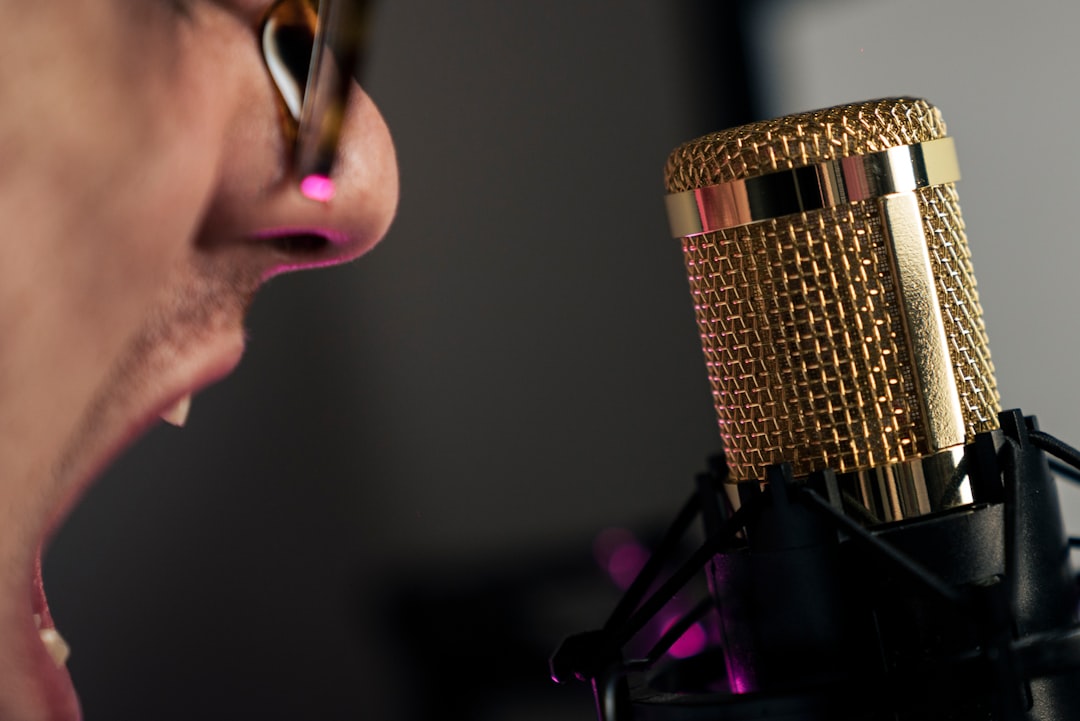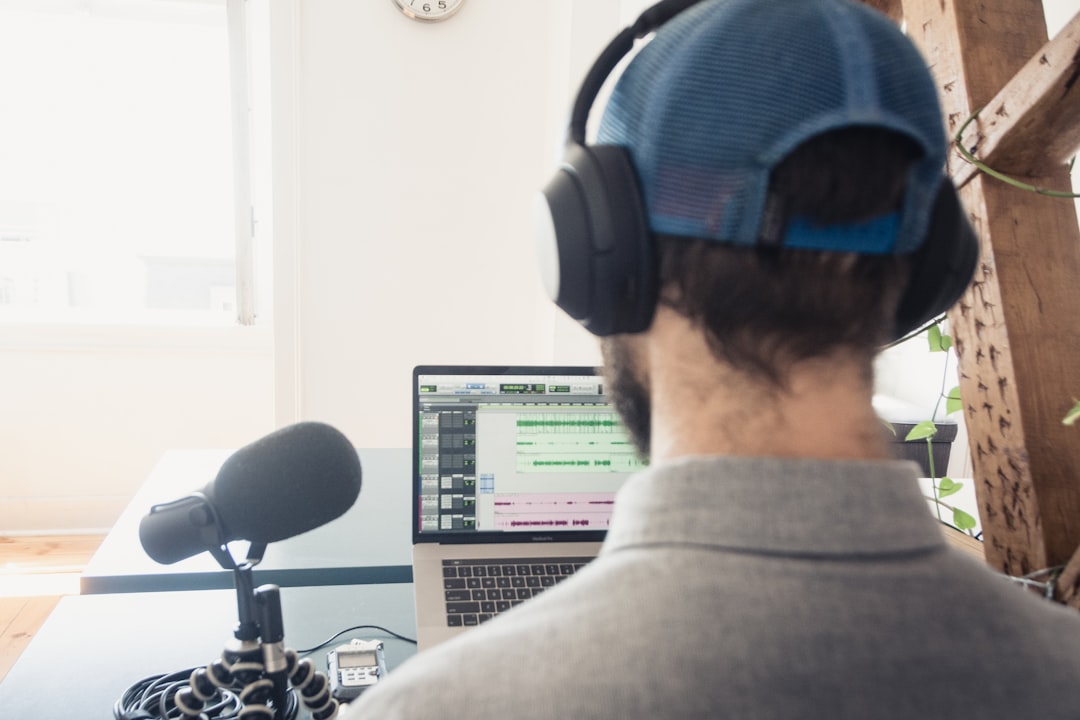
Remote Spanish voice over sessions have become the standard for professional work, and the quality is identical to what you'd get flying me to your studio in New York or Los Angeles. That's the reality. The pandemic accelerated adoption by about a decade, but the technology was already there — I've been recording via Source Connect remote voice over for clients on three continents since 2012. What changed is that everyone finally stopped being suspicious of it.
Here's what I mean by identical: same audio quality, same real-time direction, same ability to request changes on the fly. You hear every take as I record it. You can interrupt me mid-sentence if the read isn't right. The latency on a properly configured Source Connect session is under 50 milliseconds — imperceptible to the human ear.
The flight that stopped making sense
I used to fly to sessions regularly. Miami, Chicago, Mexico City. At some point, I started noticing that I was spending eight hours in transit to record forty-five minutes of material. The math never worked, but that's how things were done. Clients wanted to see you in the room. They wanted to press the talkback button themselves. There was a ritual quality to it that felt professional.
And then one Tuesday, a creative director at a major automotive brand told me she actually preferred the remote sessions. She could be in her home office in sweatpants, her kids could interrupt for thirty seconds without the meter running on a $400-per-hour studio, and she got exactly the same files at the end. That was 2019.
According to a 2023 survey by the World-Voices Organization, 78% of voice over professionals now conduct the majority of their sessions remotely. The shift wasn't gradual — it was a cliff. And the interesting part is that quality metrics from post-production houses show no measurable difference in revision rates between remote and in-studio sessions.
What Source Connect actually does
If you've never used it, Source Connect is broadcast-quality software that lets you connect directly to my recording session from anywhere. You open a link, put on headphones, and suddenly you're in my studio. You hear what my microphone hears. My engineer handles the technical side — you just direct.
The audio travels uncompressed. That matters because Zoom and similar platforms compress audio aggressively, which destroys the frequency range that makes voice over sound professional. Source Connect was built specifically for recording studios. It's what Netflix uses. It's what Ford uses. It's what every major ad agency uses when they need online Spanish voice recording done right.
Have you ever been on a video call and noticed that someone's voice sounds slightly thin, slightly artificial, even though you can't pinpoint why? That's compression. Your brain registers it as "off" without knowing the technical reason. For commercial work, that's unacceptable.
Real-time direction matters more than presence
The actual value of a directed session is the direction. When a creative director says "can you give me a version that's warmer, slower, and leans into the word 'family'" — that feedback loop is what produces the right take. Whether she's sitting three feet from the glass or three thousand miles away makes no difference to my performance.
If anything, remote sessions often yield better results because everyone is more comfortable. The client doesn't feel obligated to make small talk. I don't have to pretend I'm not exhausted from a red-eye. We focus on the work.
But there's a caveat: this only works if the voice over artist has a proper setup. A professional booth. Acoustic treatment. Broadcast-grade equipment. A connection that won't drop mid-take. I've invested in that infrastructure because this is my job, not a side gig I do from a closet with a USB microphone (which, by the way, I did for the first two years — work buys gear, not the other way around).
The timezone advantage nobody talks about
I'm available 24/7. That sounds like marketing copy, but it's literal.
A client in Sydney needs a Spanish voice over for a campaign launching in Latin America. Their morning is my evening. We schedule a 9am session their time, which is 6pm my time, and we record with real-time direction as if we were in the same building. The files are delivered before their lunch break.
According to Statista's 2024 report on remote work in creative industries, 64% of marketing teams now work with at least one freelancer or vendor in a different timezone weekly. The infrastructure for asynchronous collaboration has exploded — but for voice over, live direction remains superior. Remote sessions solve the timezone problem without sacrificing the real-time advantage.
When remote sessions don't work
I'll be honest: there are scenarios where in-person makes more sense.
Large ensemble casts where actors need to play off each other benefit from physical presence. Animation dubbing with multiple characters in dialogue is harder to choreograph remotely (though still possible with good engineering). And occasionally, a client just wants the experience of being in a studio with catering and a view — there's a psychological component to production that I respect.
For straight voice over work — commercials, corporate narration, e-learning, IVR systems — remote sessions are not a compromise. They're the efficient choice.
The files arrive the same way regardless
Here's something people forget: even when you record in person at a studio, the files get delivered electronically. Nobody hands you a reel of tape anymore. You get a Dropbox link or a WeTransfer notification.
So the workflow endpoint is identical. The only difference is whether you spent four hours getting there and back, or whether you spent those four hours doing other work while I recorded to your exact specifications from my treated booth.
Why brands keep booking remote sessions
The repeat clients — the ones who've worked with me for five, ten, fifteen years — almost all prefer remote now. Not because it's cheaper (my rate is the same either way), but because it's faster to schedule, easier to coordinate across departments, and produces the exact same deliverable.
A Nielsen study from 2022 on advertising production efficiency found that campaigns using remote recording workflows averaged 23% faster turnaround from script approval to final delivery. When you're racing to hit a media buy window, a day or two matters.
And the quality question has been settled. The spots I've recorded remotely have won the same awards, generated the same client satisfaction, and aired on the same networks as everything I ever recorded in a studio in Burbank.
A properly set-up home studio isn't a home studio
I need to clarify something. When I say I record from my studio, I'm not talking about a spare bedroom with foam panels from Amazon. My space was designed by an acoustic engineer. The noise floor is below broadcast standard. The equipment chain — microphone, preamp, converter, monitoring — matches what you'd find at a top post-production house.
This matters because Spanish scripts translated from English tend to run 30% longer, which means delivery speed and clarity become even more critical. Any room noise, any coloration, any artifact in the recording gets amplified when the talent has to push through a dense script. You need a clean signal to start with.
The session itself is simpler than you expect
You don't need special software on your end. Source Connect has a browser-based option for clients. You click a link, allow microphone access for talkback if you want it, and you're in. My engineer handles everything technical — routing, recording, backup files, the redundant connection that kicks in if the primary drops.
Your job is to listen and direct. Tell me what you need. Tell me when a take works. That's it.
Need a Spanish voice over for your next project? Get in touch and I'll get back to you within the hour.