A Spanish voice over quote that makes sense is one where you understand exactly what you're paying for, why the number is what it is, and what you'll get in return. Most quotes fail on at least two of those three counts. They're either so low you wonder what's wrong, or so opaque you can't tell if you're being overcharged or underpaying for something that will cause problems later.
After 20+ years quoting projects for brands like Ford, Netflix, and Google, I can tell you the confusion is rarely intentional. The voice over industry uses terms that mean different things to different people, and clients often don't know what questions to ask. This guide fixes that.
What actually goes into a voice over price
The recording itself is the smallest part. What you're paying for — or should be paying for — breaks down into a few categories that most quotes don't explain clearly.
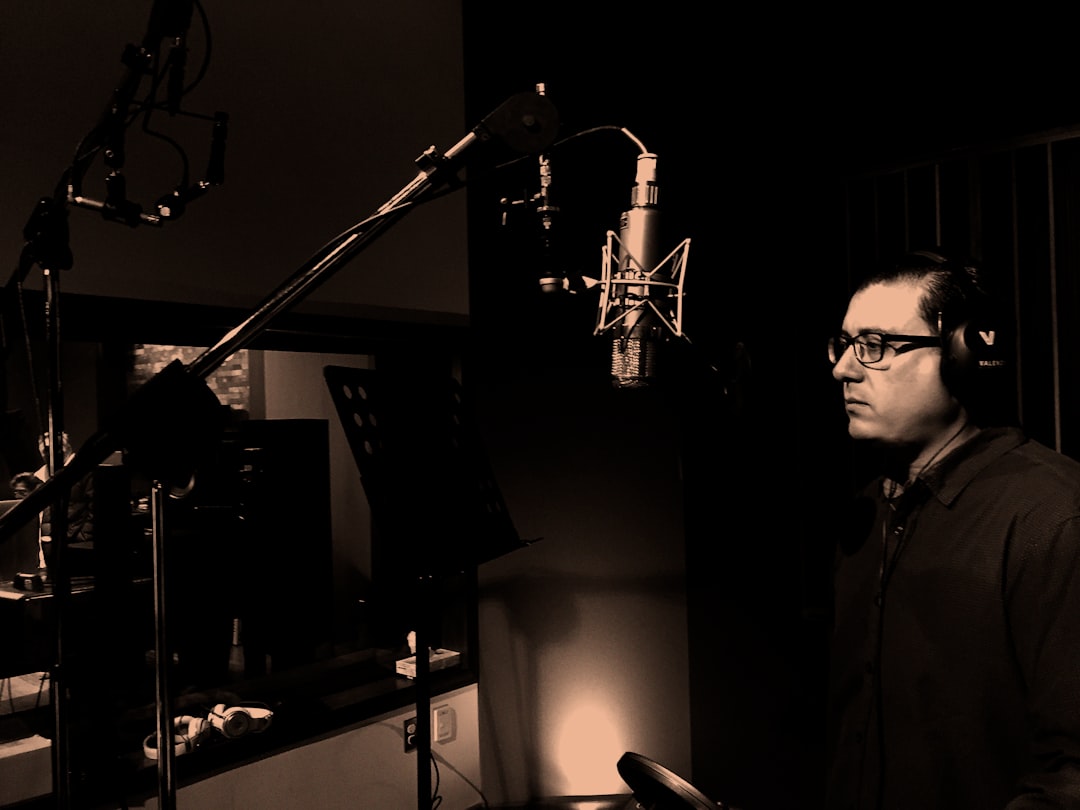
First, there's the session fee. This covers the time in the booth, the interpretation, the takes. A professional voice over artist with a proper studio (mine has Source Connect for real-time remote direction) will charge more than someone recording into a USB mic in their bedroom. That difference shows up in the audio quality and the ability to nail the read without endless retakes.
Then there's usage. This is where most people get confused. A 30-second spot running on YouTube for three months costs less than the same spot running on broadcast television for a year. The Global Advertising Lawyers Alliance reports that usage rights represent 40-70% of total voice over costs in commercial work. If a quote doesn't specify usage, you're either getting limited rights you don't know about or paying for unlimited rights you don't need.
And then there's the stuff nobody mentions: script review, pronunciation research (especially for proper nouns and brand names in Spanish), minor edits, file delivery in multiple formats. Some artists include these. Some charge extra. You won't know unless you ask.
The $50 quote problem
You can find Spanish voice over on Fiverr for $50. You can also find it for $5,000. Both exist in the same market, which tells you the market is broken.
The $50 quote gets you one of three things: a non-native speaker who learned Spanish from Duolingo, an amateur recording in acoustic conditions that will make your audio engineer weep, or someone so desperate for work they're devaluing their own service. According to the Bureau of Labor Statistics, the median hourly wage for announcers (which includes voice talent) was $19.66 in 2023 — and that's for English work in the US. Professional Spanish voice over for advertising commands significantly more because the talent pool is smaller and the skill set is specific.
Have you ever listened to an ad and felt something was off without being able to explain why? That's usually the voice. The difference between a $50 and a $500 Spanish voice over isn't just audio quality. It's interpretation, pacing, the ability to adapt to direction, and — most importantly — native fluency that your audience feels even if they can't articulate it.
What to ask before you accept any quote
The quote itself is just a number. The questions you ask turn it into useful information.
Ask what usage rights are included. Broadcast? Digital only? How long? What territories? A quote for "unlimited buyout" should be higher than one for "social media, US, 12 months." If both quotes are the same price and one says unlimited, something is wrong with the unlimited one.
Ask if revisions are included. Most professionals include 2-3 rounds of revisions in the base price. But "revision" means different things to different people. Changing a word in the script is minor. Re-recording the entire spot because the creative director changed their mind is not. Get this in writing.
Ask about turnaround. Rush delivery costs more. If you need audio in 24 hours, expect a premium of 25-50%. If you're flexible on timing, say so — you might get a better rate. (I deliver same-day regularly, but I appreciate knowing when something isn't actually urgent.)
Ask if the quote includes a native speaker. This sounds obvious, but it's not. Many quotes from agencies and platforms don't specify, and you end up with someone who sounds fine to a non-native ear but immediately wrong to your Latino audience. Native always beats fluent — and if the quote doesn't guarantee nativity, assume it doesn't include it.
Why platform quotes are useless
Posting a casting on Voices.com or Voice123 to find a Spanish voice over is a waste of time that disguises itself as efficiency. You receive hundreds of proposals, most from people who aren't qualified for the job. The algorithm rewards activity and reviews, not skill. You end up spending hours sorting through mediocre options that all blur together.
The same applies to talent agencies. The client thinks having many options benefits them, but they end up with a pile of proposals they don't know what to do with because they don't speak Spanish and can't evaluate the differences.
What actually works is going directly to a professional voice over artist and asking for 2-3 takes with variations. One read that's more warm, one that's more authoritative, one that's conversational. You get actual options you can compare, from someone whose work you've already vetted. That optimizes the process. Mass casting makes it more arduous.
The usage math nobody explains
Let me break this down with real numbers.
A 30-second Spanish radio spot with 13-week rotation in one market might run $400-800 for the session and usage combined. The same script as a national TV spot for a year? $2,500-5,000 or more. The recording work is identical. The difference is entirely about where the audio will be heard and for how long.
This isn't arbitrary. The logic is that if your ad reaches 10 million people, the voice contributing to that reach is worth more than if it reaches 10,000 people. Nielsen reports that Spanish-language TV reaches over 30 million US Hispanic adults weekly. When you're buying voice over for that kind of exposure, the premium makes sense.
But here's where it gets interesting: digital usage has made everything murkier. A YouTube pre-roll ad might get more impressions than a local TV spot. A TikTok campaign might go viral and reach audiences nobody anticipated. Smart artists and clients negotiate usage based on realistic projections, with provisions for what happens if something unexpectedly blows up. You want this conversation before you sign anything.
Red flags in voice over quotes
A quote that's suspiciously low for the scope of work.
A quote that doesn't mention usage at all.
A quote from someone who claims to do "all accents" — neutral, Mexican, Argentine, Colombian, Spanish. Nobody does all accents well. That's like claiming to do all instruments. What they mean is they'll attempt any accent you want, not that they'll execute it convincingly.
A quote that promises "unlimited revisions." This sounds client-friendly but actually signals someone who doesn't value their time or expects you to require excessive revisions because their first read won't be good enough.
A quote that arrives within five minutes of your inquiry. Either they didn't read your brief, or they quote the same price for everything regardless of actual requirements. Neither is good.
How to compare quotes fairly
You've got three quotes. One is $300, one is $750, one is $1,200. They all claim to offer "professional Spanish voice over." How do you know what you're actually comparing?
First, normalize the usage. Make sure all three are quoting for the same rights. If one is giving you unlimited buyout and another is giving you digital-only for six months, you're not comparing the same thing.
Second, check what's included. Does the price cover just the raw recording, or does it include basic editing, file formatting, and delivery? Some artists send a single WAV file and call it done. Others deliver split files, alternates, and multiple formats ready for your editor. That second option saves your production team hours.
Third, listen to their work. Not just the demo on their website (demos are produced to sound perfect and may not represent their actual working style) but actual completed projects if you can find them. How to evaluate a Spanish voice over demo even if you don't speak the language is possible — you're listening for consistency, naturalness, and whether they sound like a person or a performance.
The neutral Spanish premium
If you're targeting the US Latino market — which, according to the US Census Bureau, now exceeds 65 million people — you almost certainly need neutral Spanish. A regional accent from Mexico, Argentina, Colombia, or Spain will alienate listeners from rival countries faster than you can imagine. Latin American rivalries are real, and accent is the first thing people notice.
Neutral Spanish voice over often costs slightly more because fewer artists can actually deliver it. Many claim to, but genuine neutral Spanish requires specific training and usually comes from artists who grew up in media-heavy environments where neutrality was the professional standard. An Argentine who grew up dubbing cartoons for pan-Latin American distribution? They can do neutral. An Argentine who lived in Buenos Aires their whole life? They'll try, but the vos and the sh sound will slip through.
The premium is worth paying. Getting this wrong means re-recording everything.
What a fair quote looks like
Here's what I include when I quote a project, and what you should expect from any professional:
Session fee with clear scope (word count or runtime).
Usage rights spelled out: media, territory, duration.
Number of revisions included.
Turnaround time and rush rates if applicable.
File formats and delivery method.
Any conditions that would trigger additional charges.
That's it. No hidden fees, no ambiguity, no surprises when the invoice arrives. A Spanish voice over quote that makes sense is one you can read, understand, and budget against accurately. Anything less is a vendor making your job harder.
Need a Spanish voice over for your next project? Get in touch and I'll get back to you within the hour.