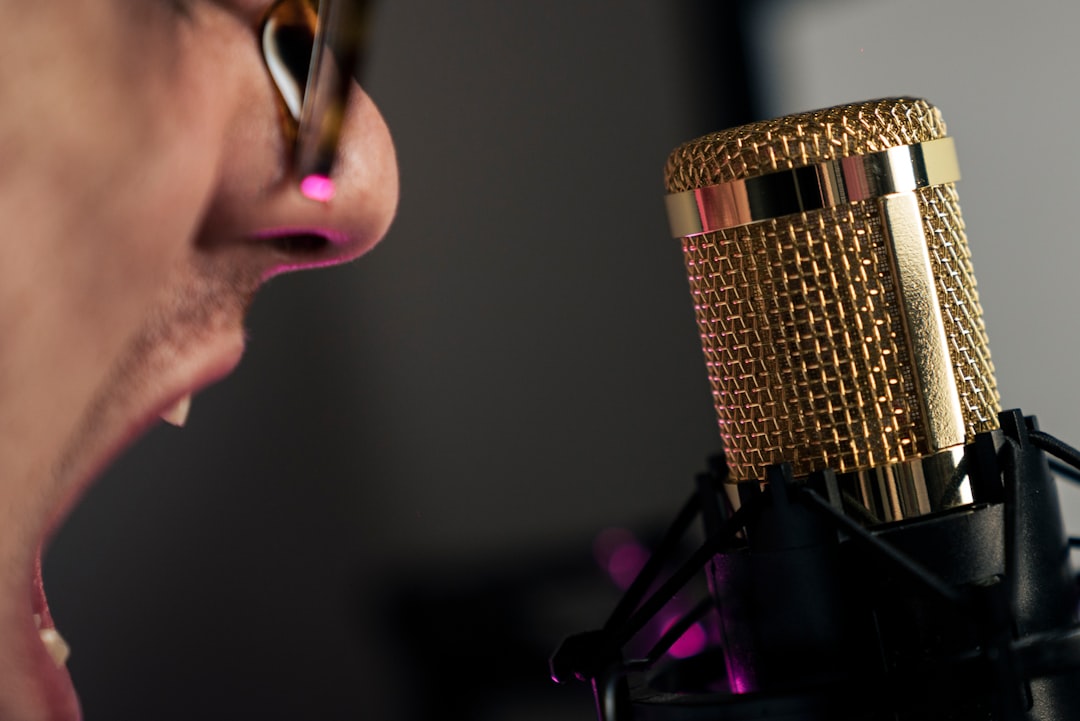
The difference between a $50 and a $500 Spanish voice over is the difference between something that technically exists and something that actually works. A cheap voice over fills a slot on your timeline. A professional one moves product, builds trust, and sounds like it belongs on your brand. The $450 gap buys you everything that matters: native fluency, neutral Spanish that doesn't alienate regional audiences, professional delivery that adapts to direction, and a human voice that your audience's nervous system actually responds to.
What $50 actually buys
Let's be specific. On Fiverr or Voices.com, $50 gets you someone who checked "Spanish" on their profile, recorded in a closet with a Blue Yeti, and delivers a single take with no revisions. Maybe they're native, maybe they learned Spanish in high school and lived in Cancún for a summer. You have no way to verify until you've already paid and the damage is done.
The audio might be clean enough. The pronunciation might pass a cursory check from someone who doesn't speak Spanish. And if your standard is "technically completed the task," congratulations.
But here's what happens next: the spot runs, the US Hispanic audience hears it, and something feels off. They can't articulate why. They don't consciously think "that person has a Guatemalan accent and I'm Puerto Rican." They just disconnect. The ad becomes background noise. According to a Nielsen Diverse Intelligence report from 2023, 45% of Hispanic consumers say they're more likely to buy from brands that communicate with them in Spanish — but that number assumes the Spanish actually sounds right. Bad Spanish voice over doesn't just fail to connect. It actively repels.
The vibrational element nobody talks about
This sounds mystical and I don't care. The human voice has a dimension that synthetic voices and amateur recordings cannot reproduce. When you hear a real professional speaking naturally, your cortisol drops. Your attention locks in. This is measurable — studies in psychoacoustics have demonstrated that natural human voice patterns activate different neural pathways than synthetic or strained speech.
Have you ever listened to an IVR system and felt vaguely irritated before anyone even said anything wrong?
That's the synthetic flatness. That's the rushed non-native trying too hard. That's the amateur reading words instead of communicating meaning. Your body knows before your mind catches up. A professional voice over artist at $500 gives you that vibrational authenticity. The $50 version gives you words arranged in the correct order, delivered by someone who doesn't understand why that distinction matters.
The script problem compounds everything
Spanish runs about 30% longer than English. Every time. This means your English script translated directly won't fit in the same :30 spot unless you cut it or the voice over artist races through it like an auctioneer. The $50 talent reads what you sent. Fast, cramped, unnatural.
The $500 professional tells you the script needs editing before they record. They suggest cuts. They time it against the music bed you're using. They deliver something that sounds like a human being having a thought, not a transcription robot meeting a deadline. This is part of what you're really paying for — expertise that prevents problems before they happen.
And when direction is needed? The cheap talent gives you what they gave you. Maybe one more take that sounds identical. The professional adjusts — faster, slower, more warmth, less announcer energy — because they've done this a thousand times and know what "less salesy" actually means in execution.
Why casting platforms make this worse
P2P casting platforms like Voice123 or Voices.com seem like they'd solve the cheap-vs-professional problem by giving you options. They don't. They give you 200 auditions from people who gamed the algorithm, recorded produced demos they can't replicate live, and checked every box in their profile because more checkboxes means more visibility.
You don't have the expertise to filter them. Why would you? You're a marketing director or a producer, not a Spanish phonetics expert. So you pick the one that sounds best to your non-native ear, pay bottom-dollar rates, and get exactly what the algorithm optimized for: volume over quality.
What actually works is going directly to a professional and asking for 2-3 interpretive variants. One person. Three reads. You hear the range, pick your favorite, and you're done in an hour. The classic mistakes happen when people think more options means better outcomes. It means more confusion and slower decisions.
Regional accents sabotage reach
Here's where Spanish voice over value gets specific. A Mexican accent works fine if you're only targeting Mexicans. But the US Hispanic market is 62 million people from 20+ countries, according to the US Census Bureau. Puerto Ricans, Dominicans, Cubans, Salvadorans, Colombians — all with regional rivalries, all with immediate recognition of accents that aren't theirs.
A $50 voice over artist gives you whatever accent they have. Probably regional. Possibly from a country that makes your target demographic instinctively tune out (Latin American rivalries are real and don't follow any logic Americans would predict — Argentines and Mexicans, for instance, have complex feelings about each other's speech patterns).
A $500 professional records in neutral Spanish that works across all demographics. No regionalism. No alienation. Just clean, professional, universally-understood Spanish that lets your message land everywhere. The ROI calculation is obvious once you understand the fragmentation.
The first take paradox
Here's something clients don't realize: the first take is usually the best one. The voice over artist reads the script cold, brings their natural interpretation, delivers it clean. Then the client asks for 50 variations because they're paying and want to explore. And after an hour of adjustments, they pick take one because it was the most natural reading all along.
The $50 talent gives you one take and disappears. The $500 professional gives you one great take, then has the skill and patience to explore alternatives if you genuinely need them — while knowing when to gently point out that take one was already perfect. That's experience. That's what makes a voice over actually good. And it's worth the difference.
The US Hispanic market doesn't tolerate cheap
Pew Research Center reports that Hispanic buying power in the US exceeded $2.8 trillion in 2024. Brands that take this market seriously don't cut corners on Spanish voice over any more than they'd cut corners on their English creative. But somehow, the Spanish version still gets treated as an afterthought. Translate it fast, hire the cheapest talent available, ship it.
The audience notices. Not consciously, but in the metrics. Lower engagement. Worse brand recall. That vague feeling that this company doesn't really care about them.
A $500 voice over is a rounding error in any real campaign budget. The cost of getting it wrong — of running thousands of dollars in media behind voice over that makes your audience disconnect — is vastly higher.
When cheap makes sense
Almost never. But I'll give you one scenario: internal use only, no audience beyond employees who have to watch anyway, and you genuinely cannot afford professional rates. Training videos for your warehouse team. Compliance modules that legally have to exist. Even then, I'd argue that e-learning voice over quality directly affects retention and safety outcomes — bad audio costs money in accidents and re-training.
For anything client-facing, audience-facing, brand-representing? There's no version where $50 makes sense. The savings don't exist. You're just deferring the cost to lower performance.
What $500 actually gets you
A native speaker with no foreign accent. Neutral Spanish that reaches every demographic. Professional studio quality with Source Connect for remote direction. Script consultation before recording so you don't waste takes on words that won't fit. Multiple interpretations on request. Fast turnaround because professionals don't disappear after one gig. And that irreplaceable vibrational quality that makes your audience lean in instead of tuning out.
The difference is everything that matters. The $450 gap isn't cost — it's investment.
Need a Spanish voice over for your next project? Get in touch and I'll get back to you within the hour.