The demo was recorded by someone else. That's the answer in about 70% of cases where a voice over artist sounds fantastic in their reel and mediocre on your actual script. They hired a producer, spent hours in a professional studio with an engineer making them sound their absolute best, and uploaded a highlight reel that represents their ceiling on their best day with maximum support. Then you hire them and they deliver from their closet with a USB mic and zero direction. The gap between demo and delivery is the oldest trick in voice over, and Spanish casting has an extra layer of this problem because clients often can't evaluate what they're hearing in the first place.
The produced demo problem
A voice over demo is supposed to represent what you'll get when you hire someone. That's the theory. In practice, according to a 2023 survey by Gravy for the Brain, over 60% of voice over artists have professionally produced demos made by third parties. The production house writes the script, directs the session, edits out every imperfection, adds music and sound design, and delivers a polished piece that sounds like it came from a Super Bowl ad. The voice actor shows up, reads for two hours, and walks away with something that sounds nothing like what they can produce independently.
I've said this for years: never hire someone to record your demo. If you can't replicate it when you're hired, you've catfished the client. Your demo must sound like you on your worst day, not your best day with professional help.
But most people in this industry disagree with me. They see the demo as marketing material, not a honest sample.
Why Spanish casting makes this worse
Here's where it gets interesting for brands working in the US Hispanic market. The US Census Bureau reports over 62 million Hispanic Americans as of 2023, and Pew Research shows that 75% of US Latinos speak Spanish at home. That's a massive audience. But most American marketing teams hiring Spanish voice over don't speak Spanish themselves. They can't tell if the demo sounds natural or if the accent is appropriate for their target audience. They hear something that sounds "Spanish" and professional, and they assume it'll work.
Have you ever chosen a restaurant in a foreign country based on how nice the menu looked, only to discover the food was terrible? Same principle. The demo is the menu. The actual delivery is the meal.
When a non-native speaker evaluates a Spanish voice over demo, they're listening for technical quality and general pleasantness. They can't hear that the accent is wrong for the target market, that the phrasing sounds translated, or that the rhythm is off. So they hire based on production value, and then they're stuck with talent that can't deliver what they heard.
The direction gap
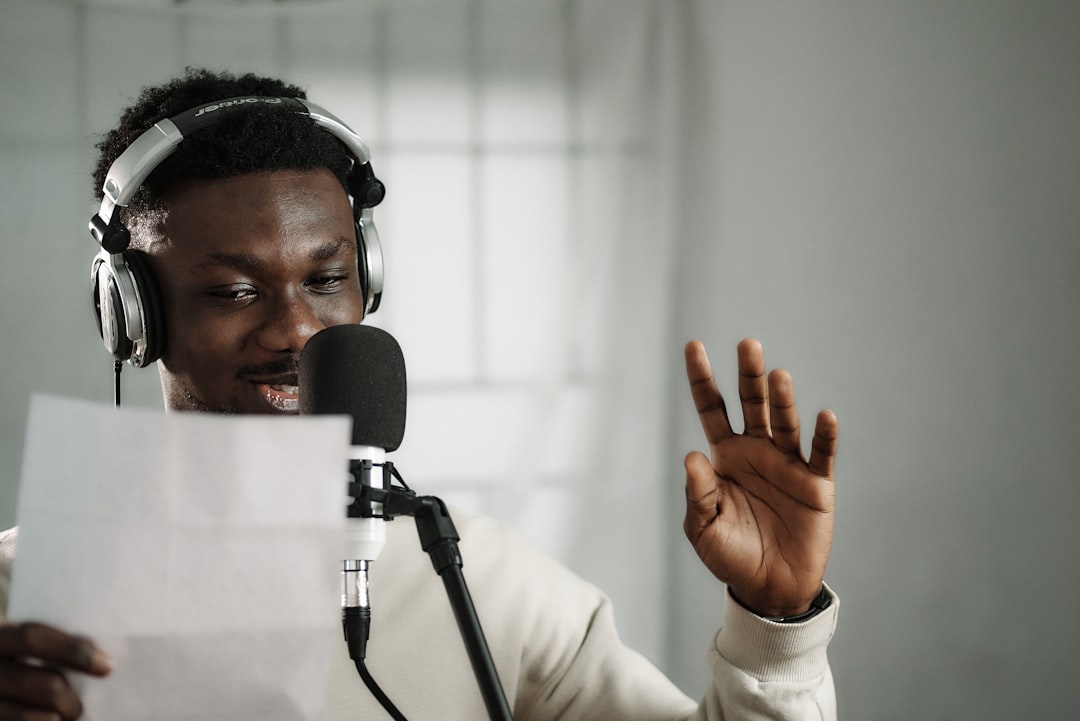
A produced demo has direction. Someone was in the booth saying "try it warmer," "faster on that phrase," "less announcer, more conversational." The talent responded to that direction and the producer chose the best takes. When that same talent records your script alone in their home studio, they have to make all those decisions themselves. Many can't.
This is why the best voice over sessions have the least direction — because a real professional interprets the script correctly without needing someone to hold their hand through every phrase. The demo hid the fact that the talent needed constant guidance to sound good.
What a real professional demo sounds like
A demo that actually represents the talent's abilities has a few characteristics. The audio quality matches what they can produce from their own studio. The reads feel consistent in quality across different styles. There's no obvious production trickery — heavy compression, aggressive noise reduction, music covering up room tone issues. And most importantly, if you ask them to do a quick custom audition on a sample of your actual script, it sounds like the demo.
That last part is where most catfishing falls apart. Ask for a directed audition. Send 30 seconds of your script and see what comes back. If it sounds noticeably worse than the demo, you have your answer.
The platform problem compounds this
Casting platforms like Voices.com or Voice123 make the demo deception worse, not better. Talents on those platforms are incentivized to upload the most produced, polished material possible because they're competing against thousands of other profiles. The algorithm rewards engagement, and engagement goes to the shiniest demos. So you get a race to the bottom of authenticity — everyone's demo sounds amazing, and maybe 10% can actually deliver at that level consistently.
(I've reviewed demos on these platforms where the same talent has completely different room acoustics across three clips in the same reel. That's not versatility — that's three different recording situations, probably including at least one professional studio session.)
This is why going directly to a professional voice over artist and asking for 2-3 variants on your actual script gives you better results than mass casting. You skip the demo theater entirely.
The first take tells you everything
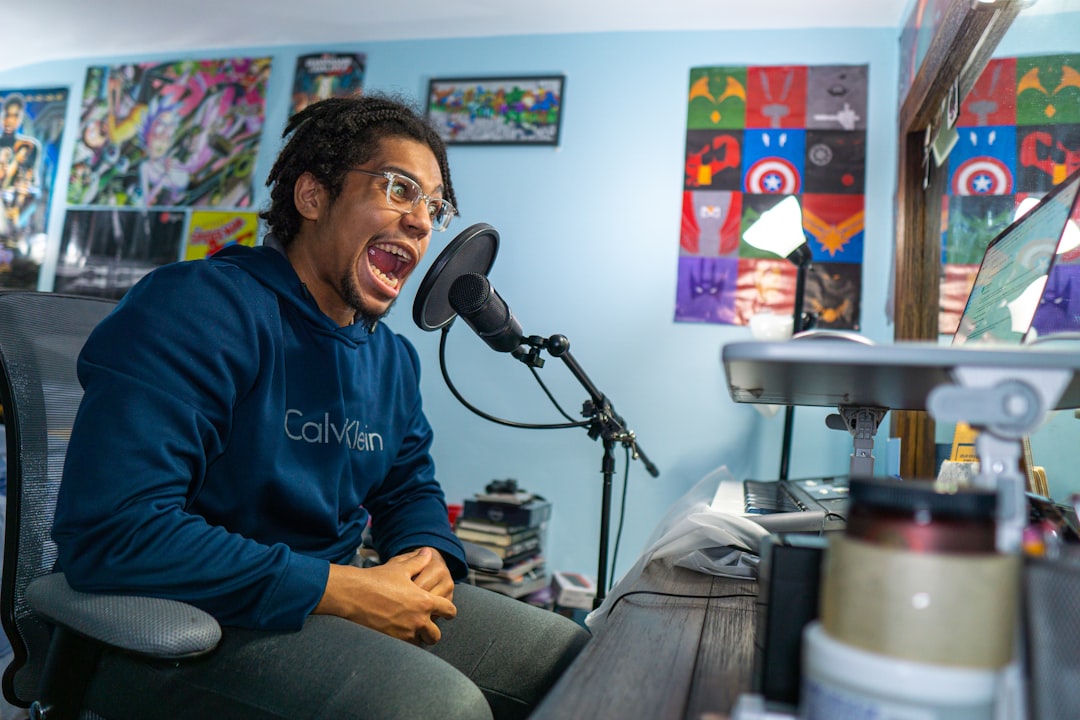
When I record a custom audition for a potential client, I send them what I got on the first or second take. No extensive editing, no cherry-picking from 20 attempts. Because that's what they'll get when they hire me. The first take is usually the best — it's the most natural interpretation before overthinking sets in. A professional who needs 15 takes to get something usable is going to struggle when you need 30 seconds of copy delivered in an hour.
And if someone's audition sounds significantly different from their demo, that gap will only widen on the actual project.
How to protect yourself
Request a directed audition on your actual script before hiring. It doesn't have to be long — 15 to 30 seconds is enough. Listen in particular for consistency with the demo in terms of audio quality, delivery style, and overall competence. If the demo sounds like a Ford commercial and the audition sounds like a voicemail, walk away.
Ask where and how their demo was recorded. A professional who records everything in their own studio will tell you that directly. Someone who had their demo produced externally will often dodge the question or admit it if pressed.
Trust your instincts on inconsistency. If something feels off between the demo and the audition, it probably is. Native Spanish speakers can usually hear this more clearly, which is another reason why you want a native speaker involved in choosing your Spanish voice over artist.
The neutral Spanish factor
For pan-Latino advertising, this demo-vs-reality gap creates an additional problem. The demo might feature neutral Spanish — the accent that works across all Spanish-speaking markets — but the talent might not actually be able to sustain neutrality under pressure. Regional accents leak through when someone is rushing, tired, or just not paying attention. A demo can be carefully edited to remove every slip. A live session can't.
But if someone can deliver consistent neutral Spanish across multiple takes and multiple scripts, they probably can on yours too. The audition reveals this. The demo hides it.
Need a Spanish voice over for your next project? Get in touch and I'll get back to you within the hour.