Replicability is the only standard that matters for a voice over demo. Everything else — the production polish, the music bed, the studio acoustics — means nothing if you can't replicate that exact sound when a client calls at 3pm with a script and a deadline. Your demo should sound like you on your worst day, not your best. If a producer hires you based on a demo and you deliver something noticeably different, you've committed the voice over equivalent of catfishing. And clients remember.
The catfish problem nobody talks about
I've seen it more times than I can count. A voice over artist hires a professional engineer to produce their demo. They spend two days in a treated studio, punch in every syllable, comp the best microseconds of each take, add subtle compression and EQ magic. The result sounds incredible. Then Ford calls for a 30-second spot, and what comes back sounds like a different person recorded it in a bathroom.
The client doesn't understand what happened. They picked this voice specifically because of how it sounded. Now they're stuck with something they didn't expect and a deadline they can't move.
According to a 2023 industry survey by Voices.com, 67% of producers reported having to recast voice over projects at least once in the previous year due to talent not matching their submitted demos. That's real money lost — not just the talent fee, but production delays, rescheduled sessions, and the awkward conversation with the client upstream.
Your demo has one job
A demo exists to show what you sound like. Period.
It doesn't exist to show what you could sound like with unlimited takes and a Grammy-winning engineer. It doesn't exist to impress other voice actors. And it definitely doesn't exist to make you feel good about yourself. The demo is a promise. When someone listens to it and picks up the phone, they're expecting to receive that exact product.
Have you ever bought something online that looked amazing in photos and then opened a box containing something that vaguely resembled the listing? That's what an over-produced demo does to clients.
What replicability actually means in practice
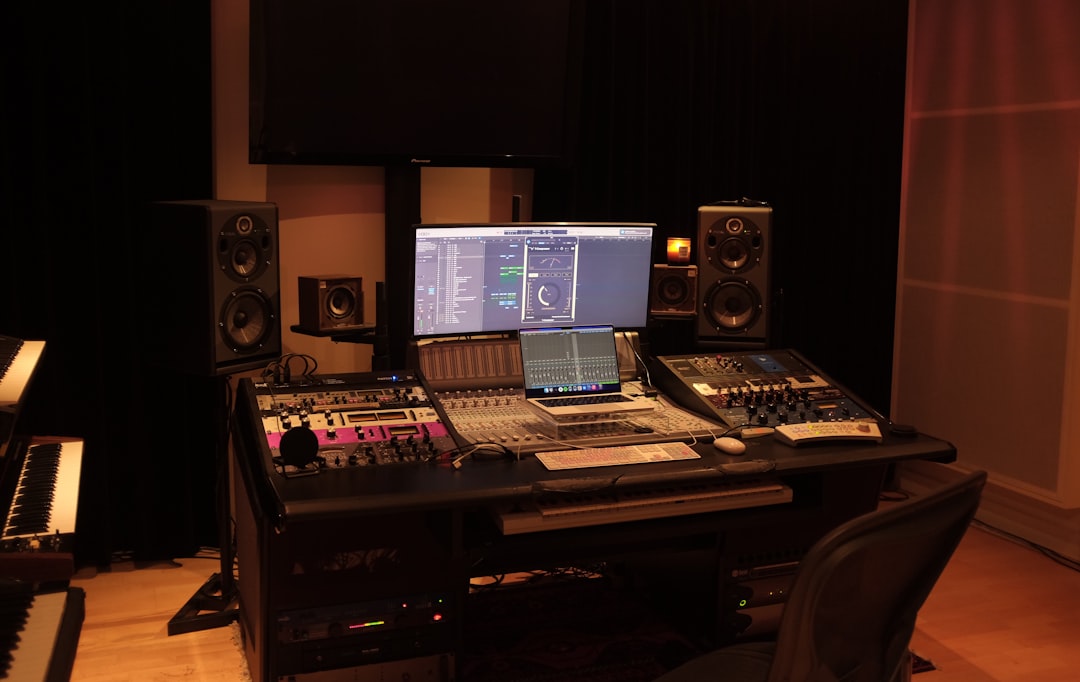
Replicability means recording your demo in the same conditions you'll deliver the final product. If you have a home studio with a Rode NT1 and basic acoustic treatment, record your demo there. If you work from a closet with blankets on the walls (which is fine, by the way — I started with a $100 mic and nobody died), record your demo in that closet.
The voice should be the voice. Not the voice having the best day of its life.
This extends beyond equipment. It means using your natural interpretation approach, not spending 45 minutes workshopping a single line until it sounds like a theater performance. It means recording at times you'd normally work, not at 11pm after three days of vocal rest and herbal tea. Your demo must represent the deliverable, not the ideal.
The production trap
Demo producers make money by making demos sound good. Their incentive is to produce something impressive, not something accurate. They'll suggest music beds that hide technical imperfections. They'll use noise reduction that eliminates the ambient character of your space. They'll comp syllables from different takes to create a Frankenstein read that never existed as a single performance.
And then they'll hand you something you can never replicate.
A 2022 study from the University of Southern California's Entertainment Technology Center found that audio quality expectations have actually decreased for digital content — viewers and listeners are more forgiving of technical imperfection than they were a decade ago. What they're not forgiving of is inconsistency. The same voice sounding different in consecutive exposures creates cognitive friction that damages brand recall.
The demo-philosophy everyone gets wrong
Voice over artists are trained to think demos need to be perfect. The industry perpetuates this idea at conferences, in online forums, in coaching programs. "Your demo is your business card." "You only get one chance to make a first impression." All of that is true, but it leads to a dangerous conclusion: that the demo should be the absolute best version of yourself.
It should be the accurate version of yourself.
There's a difference between sounding professional and sounding produced. A professional voice over demo has clean audio, appropriate pacing, good interpretation. A produced demo has been so heavily processed that it no longer represents reality. (The number of demos I've heard with reverb that clearly doesn't exist in any real room is genuinely impressive.)
The first take principle
I've written before about why the first take is usually the best, and this connects directly to replicability. Your first take captures your natural interpretation before self-consciousness creeps in. That's what clients will get when they hire you for a live session. Your fifteenth take, after extensive coaching and multiple do-overs, represents a version of you that doesn't reliably exist.
When a client from Nike or Google or Amazon books a session, they're not getting 15 takes of each line. They're getting a professional who shows up, interprets the script naturally, makes adjustments as directed, and delivers. If your demo represents the fifteenth-take version of you, and your sessions deliver the first-take version, there's a mismatch that will cost you repeat business.
Neutral Spanish and the replicability imperative
For Spanish voice over specifically, replicability has an additional dimension. If your demo showcases neutral Spanish — which it should, because neutral Spanish is the only accent that works everywhere — you need to actually deliver neutral Spanish consistently.
I've heard demos from artists who recorded their neutral samples after months of coaching, then show up to sessions with their native regional accent bleeding through every third word. A client who doesn't speak Spanish might not catch it. But their audience will.
The Pew Research Center reports that 75% of US Latinos are bilingual or Spanish-dominant, meaning they absolutely notice when a voice claiming to be neutral suddenly drops a very Argentine "sh" sound or a very Mexican diminutive pattern. And according to Nielsen's 2024 Diverse Intelligence Series, Latino consumers are 23% more likely to notice and react negatively to linguistic inconsistencies in advertising than general market audiences.
What good replicability looks like
A replicable voice over demo Spanish standard meets these criteria: recorded in your actual working environment, with your actual equipment, using your natural interpretation approach, edited minimally, and representing reads you could deliver on any given Tuesday afternoon.
But the demo also needs to be good. That's the real challenge — making something that's both accurate and compelling.
The solution is developing your skills to the point where your natural performance meets professional standards, not developing production techniques to hide the gap. If you can't record a commercial read that sounds ready for broadcast without extensive post-production, the answer is more practice and coaching, not better plugins.
The long game
Clients who hire voice over artists for major campaigns — the Coca-Colas and Netflixes — aren't looking for a one-time transaction. They want someone they can call repeatedly, knowing exactly what they'll get. When I work with a brand over multiple years, they're buying consistency as much as they're buying the voice itself.
That relationship becomes impossible if the demo misrepresents the product. The first job might go fine if you spend extra time matching your demo sound. The second job, under tighter deadlines, reveals the truth. The third job goes to someone else.
The uncomfortable standard
The replicability standard is uncomfortable because it means you can't hide behind production. Your demo will expose your actual level, not your aspirational level. If your interpretation is weak, the demo will show it. If your home studio has noise issues, the demo will reveal them. If your neutral Spanish isn't as neutral as you think, listeners will hear it.
That's the point.
A demo that accurately represents a good-but-not-perfect voice over artist will book more long-term work than a demo that misrepresents an excellent one. Clients who hire based on realistic expectations become repeat clients. Clients who feel deceived become cautionary tales they share with other producers.
Your demo should sound like what happens when someone calls at 4pm on a Wednesday with a script that needs to be done by 6pm. Because that's exactly what will happen once they hire you.
Need a Spanish voice over for your next project? Get in touch and I'll get back to you within the hour.