Natan Fischer can translate and record your Spanish script in one step because I've spent 20+ years doing exactly that for brands like Coca-Cola, Nike, Google, Ford, Netflix, and Amazon. The typical workflow — send script to translator, wait, receive translation, send to voice over artist, wait again, receive recording, discover timing issues, start over — wastes time and money. I eliminate the entire middle section.
The problem with the standard chain
Most companies have a production chain that looks like this: English script goes to a translation agency, translation agency sends it to a freelance translator who may or may not have advertising experience, translated script comes back, then someone has to find a Spanish voice over artist, brief them, hope they understand the brand, and pray the timing works.
It rarely does.
Spanish runs approximately 30% longer than English. A study by the Localization Industry Standards Association found that Spanish text expansion ranges from 15% to 35% depending on content type. When your translator doesn't know this script will be recorded against a 30-second spot, they translate everything literally. The voice over artist then has to rush through the read, and the result sounds like an auctioneer at a cattle show. Or worse — you get the call asking for script cuts after the translation is already approved.
One brain instead of three
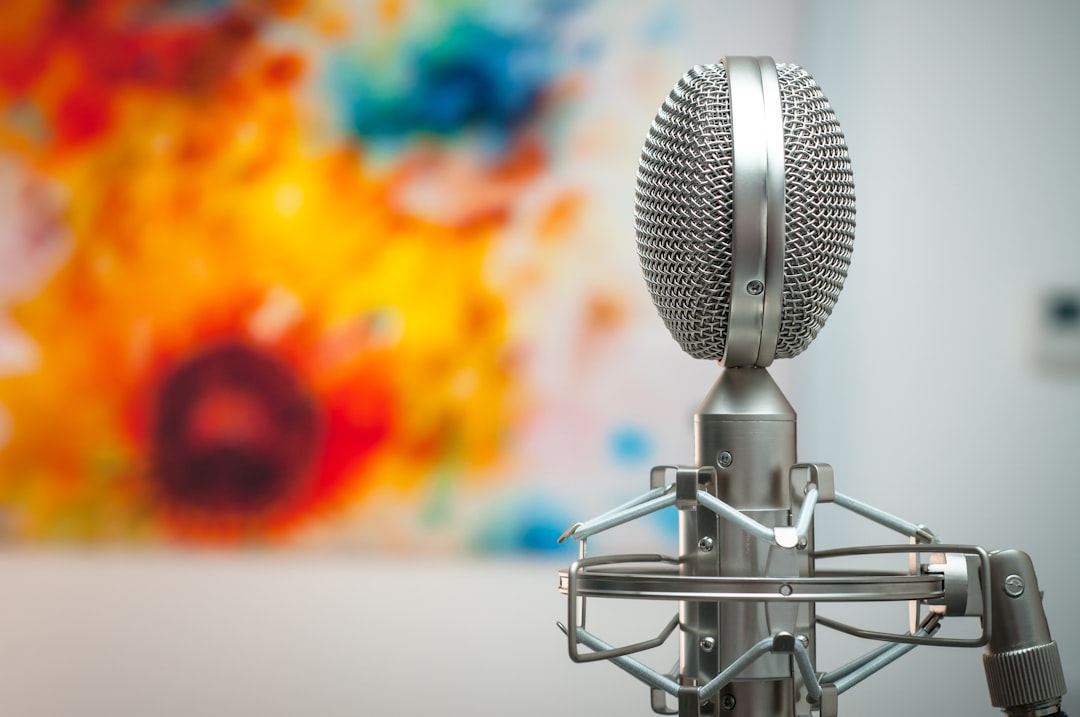
When I receive your English script, I translate it with the microphone in mind. I know exactly how many syllables I can fit into your timing window because I'm the one who has to say them. This means cutting words before they hit the page, not after we discover they don't fit. I restructure sentences so they breathe naturally in Spanish while preserving your message, your tone, and your brand voice.
And here's what nobody tells you: translation and performance are connected. The way I phrase something in Spanish affects how I deliver it. A translator working in isolation makes choices based on linguistic accuracy. I make choices based on what sounds good when spoken at natural speed to a real audience. Have you ever read a script that was grammatically perfect but felt impossible to say out loud? That's the gap between translation and speakability.
The neutral Spanish advantage
I always recommend neutral Spanish for pan-Latino campaigns, and when I'm doing both translation and voice over, I can build that neutrality into both layers simultaneously. According to the US Census Bureau, the Hispanic population reached 62.1 million in 2020 — representing 18.7% of the total US population and including origins from over 20 different Spanish-speaking countries. A Mexican colloquialism that sounds charming in Mexico City alienates a Cuban in Miami. A Puerto Rican idiom confuses a Guatemalan in Los Angeles.
When translation and recording happen in separate hands, these regional markers slip through. The translator might be Colombian and unconsciously favor Colombian expressions. The voice over artist might be Mexican and mispronounce those Colombian expressions. The result is a Frankenstein Spanish that belongs to no country and connects with no audience.
My neutral Spanish approach works precisely because I control both the text and the delivery.
Speed that makes a difference
The back-and-forth between translator and voice over artist adds days to your timeline. Sometimes weeks. I've had clients come to me after a project sat in limbo for two weeks because the translator sent a script that didn't fit the timing, then went on vacation, then came back and argued about the requested cuts.
When you work with me directly, there's no game of telephone. You send me an English script on Monday morning, I can have a recorded Spanish version in your inbox that afternoon. (I've done same-day turnarounds for Super Bowl spots — the adrenaline is real, but so is the delivery.)
What the translator doesn't know
A translator working from a Word document doesn't know your music bed has a crescendo at second 18. They don't know your video has a hard cut at second 12 that demands a pause in the narration. They don't know your brand prefers short, punchy sentences because your previous campaign established that rhythm.
I know all of this because I read briefs, I watch rough cuts, I ask questions. Translation without context is just word replacement. Translation with performance awareness is localization that actually works.
The 20-year advantage
After two decades in this industry, I've translated and recorded for categories you'd expect — automotive, tech, food and beverage, financial services — and categories that surprised even me. Industrial safety training. Pharmaceutical compliance modules. Video game cinematics. Each one taught me something about how Spanish functions in different registers and contexts.
But here's the thing about experience: it compounds. The Ford campaign I did in 2008 informed how I approached the Netflix project in 2018. The Google work shaped how I handle tech terminology for Amazon. I'm not learning on your project — I'm applying 20 years of accumulated knowledge about what works and what doesn't in Spanish advertising.
According to Nielsen's Diverse Intelligence Series, Hispanic consumers demonstrate 32% higher brand loyalty when brands communicate with them in culturally relevant Spanish. That relevance comes from getting the small things right, and the small things are invisible to someone who hasn't been doing this for decades.
Why bilingual matters
I'm a native Spanish speaker with complete fluency in English. That means I understand your source material at the level of nuance and implication, not just vocabulary. When your English script uses a pun, I can decide whether to recreate it, replace it with a Spanish equivalent, or rewrite around it entirely. When your script references American cultural touchpoints, I know which ones translate and which ones need substitution.
Plenty of voice over artists speak Spanish beautifully but need everything pre-translated. Plenty of translators produce elegant Spanish but can't record a single word. The combination is rarer than people assume, and it's why clients keep coming back to the same voice.
The studio reality
I own a professional studio with Source Connect, which means we can do directed sessions in real time from anywhere in the world. But more importantly for translation-and-recording projects, it means I can make adjustments on the fly. If you're listening to a take and realize a particular phrase sounds too formal, I can rewrite it on the spot and record again. No waiting for the translator to approve changes. No coordination between multiple vendors.
The studio equipment matters less than people think — interpretation always beats gear — but having professional infrastructure means the technical quality matches the creative quality.
When this makes sense
If you have an English script that needs to become a Spanish voice over, and you don't have an existing Spanish translation locked in stone, coming to me directly saves you time, money, and headaches. You eliminate vendor coordination. You eliminate timing surprises. You eliminate the disconnect between what's written and what's spoken.
If you already have a Spanish script that's been approved through multiple stakeholders and can't be changed, then you just need a voice over artist, and I can help with that too. But if you're starting from English and want Spanish audio at the end, doing both steps in one place is the smarter path.
Need a Spanish voice over for your next project? Get in touch and I'll get back to you within the hour.