The ability to adapt on command is what separates amateur voice over from professional voice over. Full stop. I've been doing this for over twenty years, and every time someone asks me what makes a voice over professional, they expect me to talk about microphones or acoustic treatment or some plugin chain that transforms mediocre audio into broadcast quality. They're always surprised when I tell them none of that matters as much as whether you can take direction and execute it in one take.
The client says faster. You go faster. The client says warmer. You find warmer without losing clarity. The client says "I don't know, something feels off" — and you figure out what they actually mean because they rarely know how to articulate it. That capacity to receive vague feedback and translate it into a specific vocal adjustment is the professional skill. Everything else is just infrastructure.
Gear Worship Is a Distraction
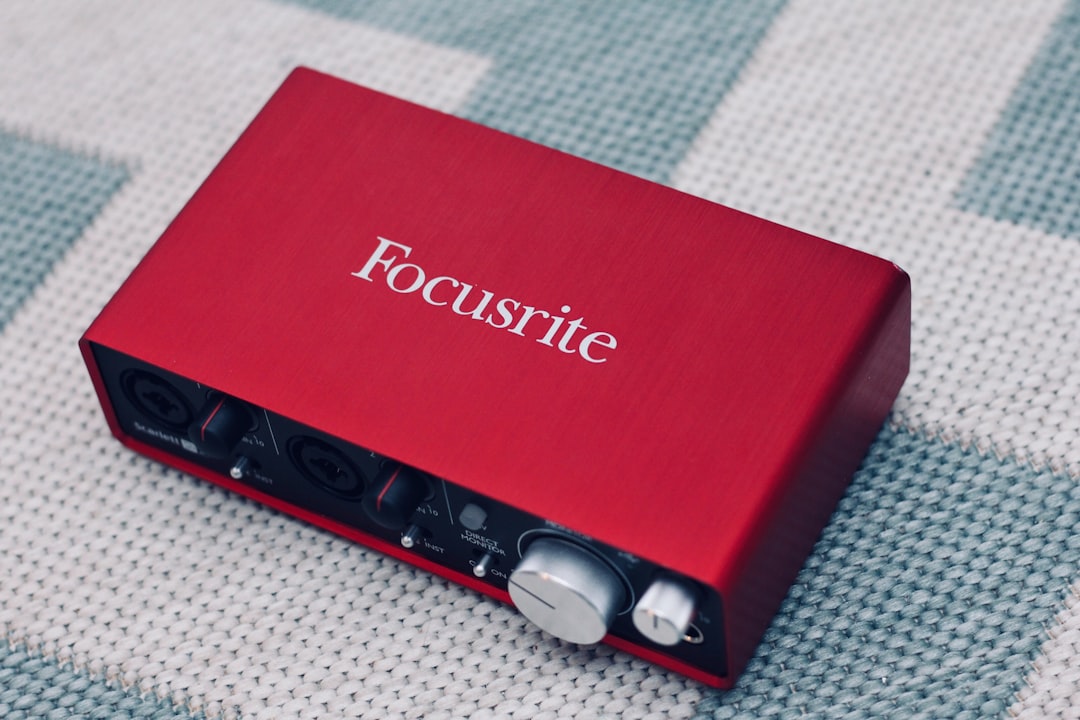
I started recording with a $100 microphone in a closet treated with moving blankets. The work I booked with that setup bought me better gear, which bought me more work, which eventually bought me a professional studio with Source Connect and all the toys you'd expect after two decades. But here's the thing: clients didn't hire me because of my signal chain. They hired me because I could deliver what they needed without making them explain it seventeen times.
A 2023 survey by Backstage found that 67% of voice over casting directors said interpretation was the primary factor in their hiring decisions, while equipment quality ranked fifth. The amateurs obsess over the wrong variables because the right variables are harder to develop and impossible to buy.
The Direction That Means Nothing
"Don't sound like a voice over."
I hear this direction constantly. Have you ever noticed how a phrase can be completely meaningless and completely meaningful at the same time? What clients actually want is someone who doesn't sound like a 1950s announcer reading a cereal box. They still want a voice over artist — they want someone who speaks well, who has control over pacing and emphasis, who understands the architecture of a sentence. They just don't want it to feel performed. The professional understands this paradox. The amateur takes the direction literally and delivers something flat and conversational to the point of being unmarketable.
What the client means and what the client says are two different languages, and fluency in both is what separates amateur from professional voice over Spanish campaigns from the ones that actually perform.
The 50 Takes Problem
The first take is almost always the best. I've seen this pattern so many times it stopped surprising me years ago. A client books a session, I deliver the first read, and then we spend the next hour chasing variations that never quite work because the original interpretation was the natural one. By take thirty, everyone's exhausted. By take fifty, the client says "let's go back to the earlier ones" and picks take one or two.
(According to a study published in the Journal of the Acoustical Society of America, listeners consistently rated spontaneous speech as more trustworthy and engaging than scripted readings of identical content — which explains why that first take, read fresh before over-direction sets in, tends to resonate most.)
The professional voice over skill is knowing this will happen and protecting the client from themselves when possible. Sometimes the best thing you can do is say "I think we had it in the first few takes" before the session spirals into diminishing returns, and the client will thank you for it when they listen back the next day and realize you were right.
Adaptation Beats Equipment
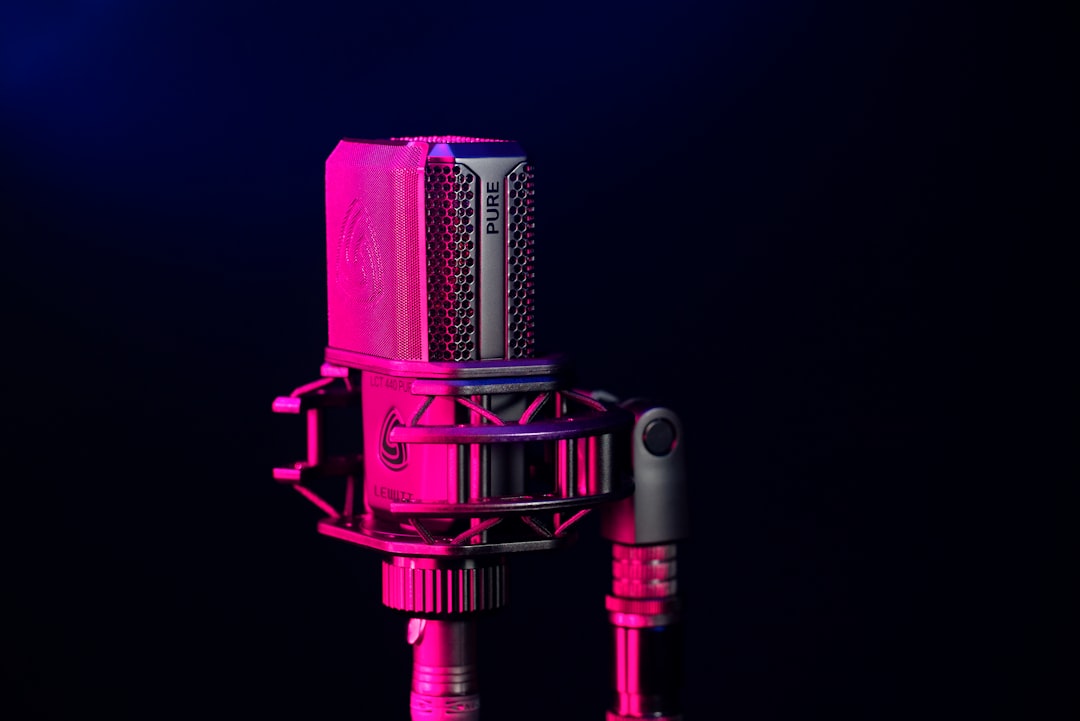
A $3,000 Neumann microphone in the hands of someone who can't take direction produces worse results than a $300 Audio-Technica in the hands of someone who can. This isn't opinion — it's twenty years of observation. The equipment matters, yes. Nobody wants to listen to a voice recorded through a laptop mic in a reverberant room. But professional voice over skill depends on equipment only up to a threshold, and that threshold is much lower than the gear forums would have you believe.
What matters above that threshold is interpretation. Can you shift register when the copy shifts tone? Can you land the emotional beat without overselling it? Can you deliver a 60-second spot in exactly 60 seconds without sounding rushed?
Serving the Brief
The voice over artist is a professional at the service of advertising. If someone wants to make art, they should do it at home. I've had plenty of sessions where I disagreed with the creative direction, thought the copy was weak, or believed a different approach would serve the spot better. You know what I did? I delivered what the client asked for. Then, if it felt appropriate, I offered an alternative read and let them choose. But the client's brief wins. Always.
And this is where a lot of talented people with good voices wash out of professional voice over work. They have opinions about the material. They resist direction because they "know better." They treat the session like a collaboration between equals when the structure is actually clear: the client has a vision, and your job is to execute it with skill.
Native Fluency Isn't Optional
For Spanish voice over specifically, there's an additional layer that separates amateur from professional work. Native fluency. A non-native speaker cannot tell the difference between native and non-native Spanish because the subtleties are too complex — the micro-rhythms, the vowel placement, the cadence that reveals exactly where someone grew up. But native listeners hear it instantly, and it pulls them out of the message.
Viggo Mortensen, Anya Taylor-Joy, and Alexis Bledel all speak better Spanish than Danny Trejo, Jennifer Lopez, and Selena Gomez. The first group are Argentine natives who grew up speaking Spanish. The second group have Latino names but barely speak a word. The audience knows. And when your ad is trying to reach 60 million Spanish speakers in the US, that distinction is the difference between connection and alienation.
Why Platforms Can't Solve This
P2P casting platforms like Voices.com and Voice123 have been trying to algorithmically match talent to briefs for years. They fail consistently because the variables that actually matter — adaptability, direction-responsiveness, native fluency in specific registers — aren't things you can put in a profile. The talent lists what they think they do well. The client writes a brief describing what they think they want. Neither party has the vocabulary to articulate the real need, and the algorithm matches garbage to garbage with confidence.
What works is going directly to a professional voice over artist who can deliver multiple nuanced options in one or two listens. That's why many clients skip the platforms entirely once they've been burned enough times by the volume approach that promises efficiency and delivers headaches.
The Vibrational Element
Human voice has a quality that synthetic voice cannot reproduce. Research from MIT's Media Lab demonstrated that listeners' cortisol levels dropped measurably when exposed to human voice compared to synthetic alternatives — even when the synthetic voice was rated as "indistinguishable" in blind tests. The body knows something the conscious mind doesn't. AI will continue eating the low end of the market, the work that Fiverr and amateurs already commoditized, but it will never touch professional voice over because that vibrational dimension can't be synthesized.
The amateur thinks professional means having the right equipment and knowing which buttons to press. The professional knows it means being the instrument that no technology can replace.
Need a Spanish voice over for your next project? Get in touch and I'll get back to you within the hour.