Spanish voice over for nonprofits deserves the same quality you'd expect from Coca-Cola or Nike. The audience doesn't know you're a nonprofit. They just know if your message sounds professional or amateurish, trustworthy or cheap.
And cheap, in this context, has real consequences.
The myth that nonprofits get a pass
Here's what I hear constantly: "We're a nonprofit, so we can't afford professional voice over." The assumption is that audiences will forgive lower production quality because the cause is noble. They won't. According to a 2023 study by the Nonprofit Marketing Guide, 72% of donors say professionalism in communications directly affects their trust in an organization. Your PSA about food insecurity competes for attention with everything else in the listener's feed — Super Bowl ads, Netflix trailers, podcast intros from shows with actual budgets.
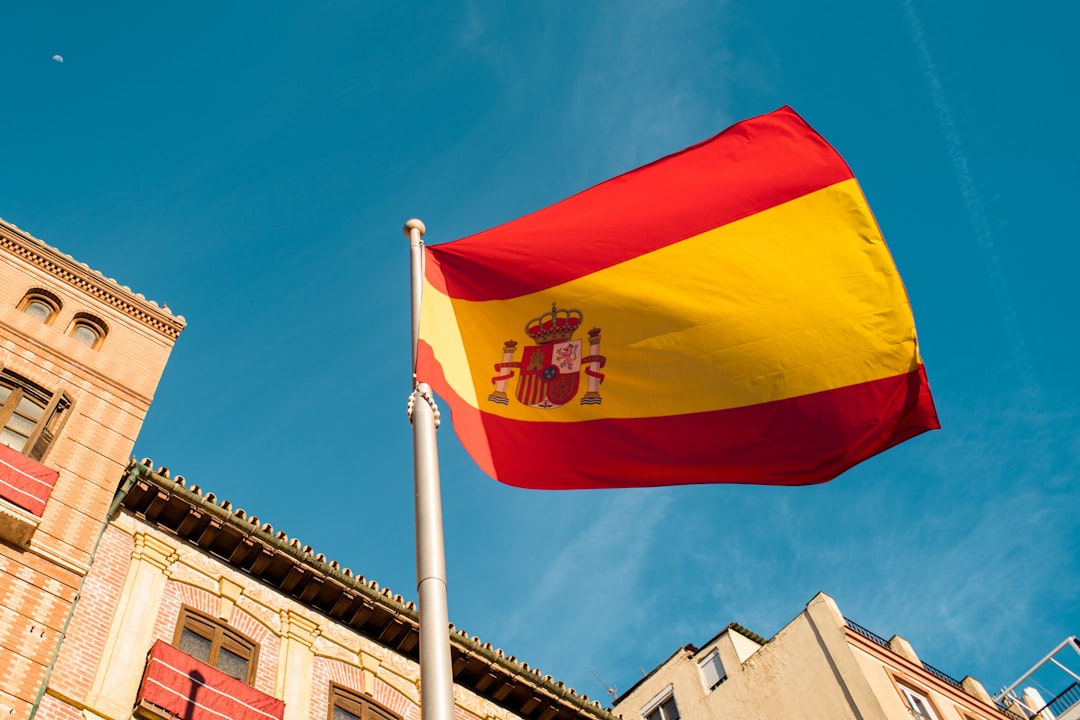
The US Census Bureau reports that over 62 million people in the United States speak Spanish at home. That's roughly 20% of the population. When a nonprofit serves Latino communities — healthcare access, immigration services, disaster relief, voter education — the voice delivering that message carries institutional weight. A robotic AI voice or a non-native speaker stumbling through pronunciation tells that community exactly how much the organization invested in reaching them.
Budget constraints are real. Quality trade-offs are fake.
I understand nonprofit budgets. I've worked with organizations that genuinely have $300 for an entire video, and organizations that have $30,000 but still ask for discounts because "it's for a good cause." Both exist. But the solution to a tight budget is never to abandon quality — it's to adjust scope.
One 30-second spot with professional neutral Spanish voice over will outperform five mediocre spots every time. Pew Research found in 2022 that Spanish-dominant Hispanics are 2.4 times more likely to engage with content delivered in their language when the voice sounds natural and native. That engagement translates to donations, volunteer sign-ups, service utilization. The metrics nonprofits live and die by.
Have you ever listened to a PSA and immediately tuned out because something felt off about the voice? You probably couldn't articulate why. That's the vibrational dimension of human voice at work — your nervous system rejecting something synthetic or inauthentic before your conscious mind catches up.
Why AI voice is worse for nonprofits than anyone
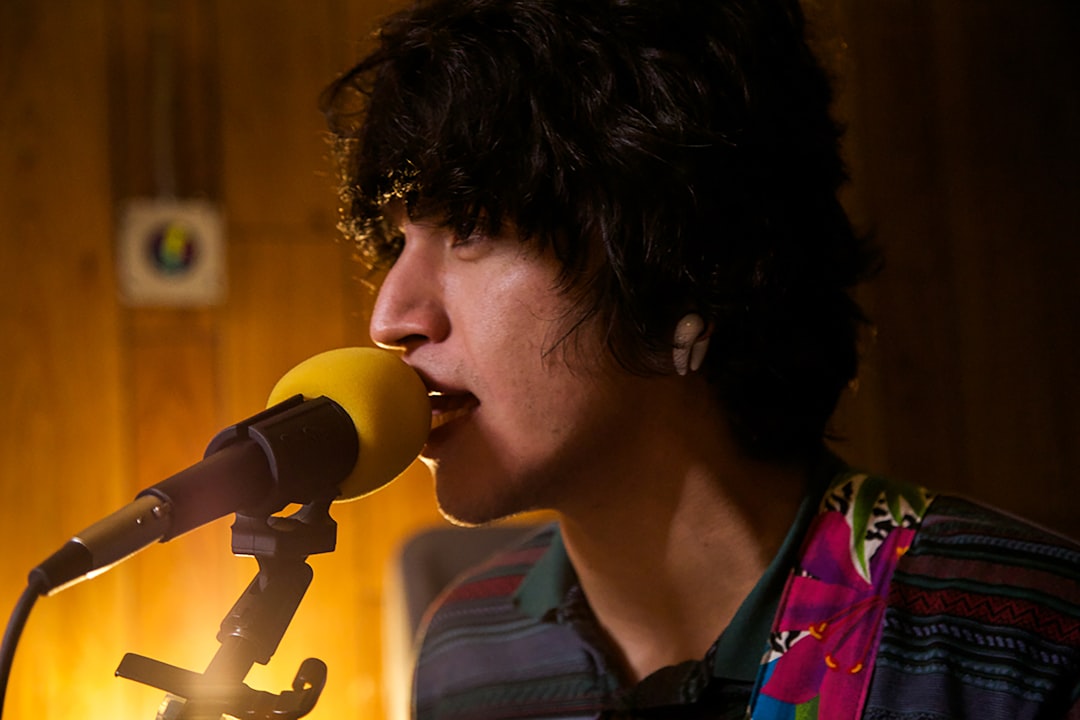
I've written before about why the human voice has qualities AI cannot reproduce. For nonprofits, this matters even more than for commercial brands. You're asking people to trust you with their money, their time, their vulnerable communities. AI voices create a subtle stress response in listeners — documented in psychoacoustic research — that undermines trust at a biological level.
The irony: AI voice over seems like the perfect nonprofit solution. Cheap, fast, available. But the organizations most dependent on building trust are the ones who can least afford to erode it. Ford can survive a slightly off-putting AI voice in a pre-roll ad. A domestic violence hotline cannot.
Native speakers only — especially here
This is non-negotiable for me in any context, but nonprofits often make the mistake more frequently. They hire the bilingual staff member. The volunteer who "speaks Spanish." The voice talent who lists Spanish on their profile because they took four years in high school.
(I once heard a nonprofit PSA where the voice talent pronounced "comunidad" with a hard American 'u' sound. The entire Latino staff at the organization cringed. Nobody had thought to have a native speaker review the recording before it went live.)
The subtleties that distinguish native from non-native are invisible to non-native ears. That's precisely the problem. The people approving the voice over cannot hear what the target audience will immediately notice. A regional accent from a rival country makes audiences disconnect. A neutral Spanish native speaker solves this across all Latino demographics — Mexican, Central American, Caribbean, South American.
Script translation is where nonprofits lose money
Spanish is roughly 30% longer than English. Every nonprofit knows this intellectually. Almost none account for it in their production timeline or budget. The English script gets approved by seventeen people over six weeks. Then someone runs it through Google Translate three days before the shoot. The voice talent receives a script that either doesn't fit the time constraint or reads like a robot wrote it.
I've covered why Spanish scripts need editing for voice over in detail. For nonprofits with limited budgets, this is actually where you can save money: get the script right before you book the session. One recording session with a clean, properly-timed script costs less than three sessions trying to fix translation problems in the booth.
The casting platform trap hits nonprofits hardest
Nonprofits love Voices.com and Voice123 because they seem efficient. Post once, receive hundreds of options. Democratic. But what actually happens: you receive 400 auditions, 380 of which are non-native speakers, AI-assisted recordings, or people who listed "Spanish" on their profile because the algorithm rewards breadth. You don't know which is which because you don't speak Spanish. You pick the one that sounds nice to your English-speaking ear.
This is why going directly to a professional who can deliver 2-3 variants optimizes the process. You're not sorting through garbage. You're choosing between genuinely viable options from someone whose career depends on getting it right.
What nonprofits actually need
A professional voice over artist who understands that serving a nonprofit brief means serving the communities that nonprofit exists to help. Someone who will flag when a script sounds awkward in Spanish. Who records in neutral Spanish so the message reaches Guatemalans and Argentines and Mexicans without anyone feeling excluded.
The work is the same as commercial work. The stakes, arguably, are higher. A bad car commercial loses a few sales. A bad public health announcement in a pandemic can cost lives. That sounds dramatic because it is.
The real cost calculation
Professional Spanish voice over for a 60-second nonprofit spot runs $250-500 depending on usage and distribution. An AI voice is $20. A staff member reading into their laptop is free.
But the nonprofit that invests $400 in professional voice over raises more money, reaches more people, and builds more trust than the one that saves $400 and sounds like they don't care about the community they claim to serve. The math is simple. The organizations that understand this are the ones whose names you recognize.
Need a Spanish voice over for your next project? Get in touch and I'll get back to you within the hour.