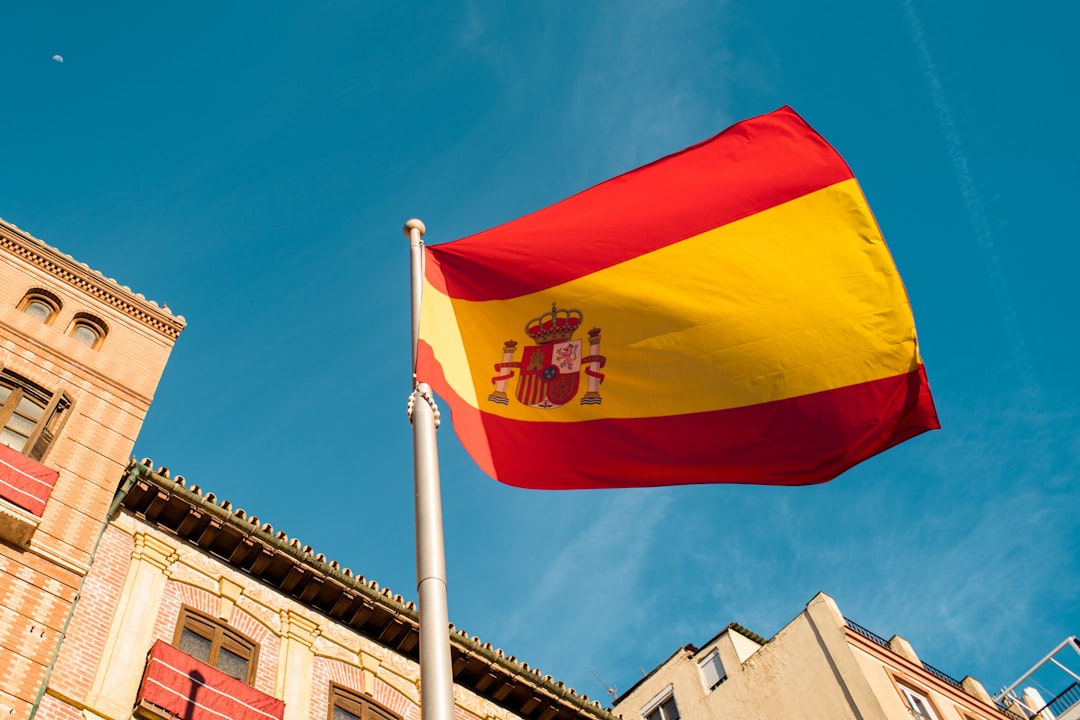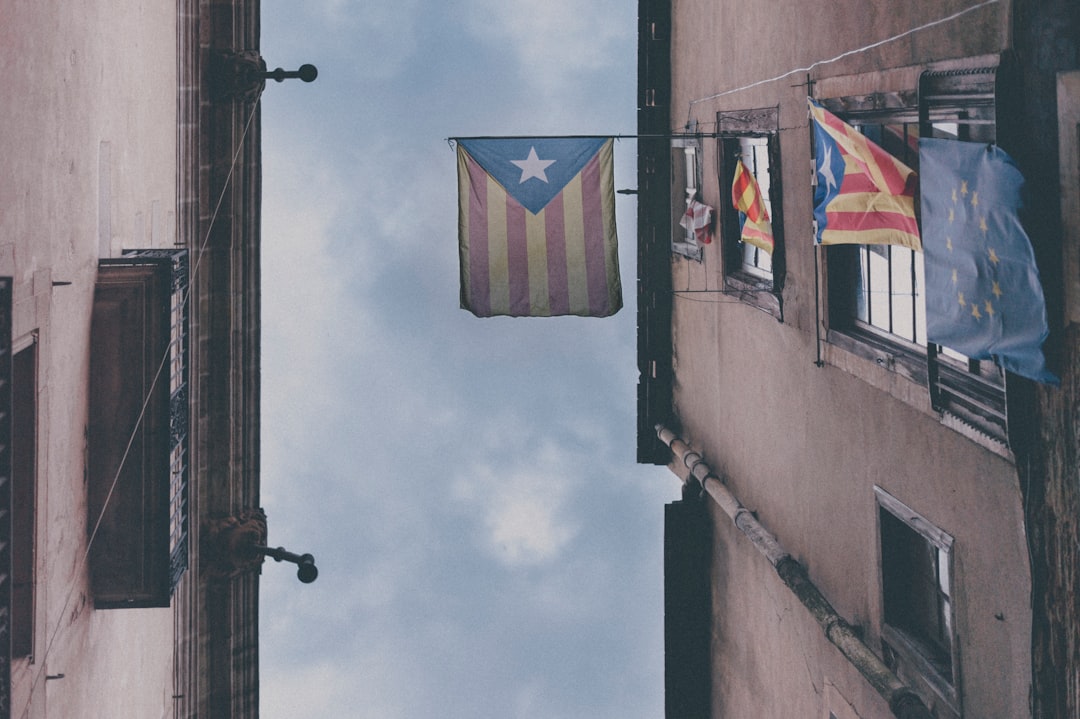
A bilingual Spanish English voice over artist saves you money, time, and the headache of managing two separate talents who will never sound like the same brand. That's the short version. The long version involves understanding why the US Hispanic market specifically rewards this approach, and why most brands get it backwards when they hire one voice for English and hunt for a different one for Spanish.
The US Hispanic market doesn't live in one language
According to the Pew Research Center, roughly 75% of US Hispanics speak Spanish at home, but the vast majority also function in English daily — at work, consuming media, scrolling social feeds. They're not switching between two separate identities. They're one audience moving fluidly between languages depending on context.
When Ford runs a campaign in English and then a separate Spanish version with a completely different voice, something breaks. The brand sounds like two different people. And the bilingual consumer notices, even if they can't articulate why. The tonal mismatch creates distance.
But when the same voice delivers both versions? Consistency. The brand becomes one voice speaking two languages, which is exactly what the audience does every day.
One voice, two languages, zero coordination nightmares
Here's what happens when you hire two separate talents. You book the English session, get the read approved, everyone's happy. Then you send the Spanish script to a different studio, different voice, different availability. The Spanish talent interprets the spot differently — maybe more energetic, maybe more formal. Now you're on calls trying to describe how the English version "felt" so they can match it. You're sending reference files. You're doing three rounds of revisions.
I've watched this unfold with clients who came to me after trying it the other way. One major tech company spent two weeks going back and forth between their English and Spanish talents for a 30-second product spot. When they finally used one bilingual voice for both, the whole thing recorded in an afternoon.
True bilingual means native in both
Here's where most casting goes wrong. Have you ever listened to someone speak your native language with a subtle accent and felt your brain slightly disengage? People assume bilingual means "speaks two languages well." For professional voice over, bilingual means native-level in both — no accent in either.
And this is where I have to deliver some uncomfortable news: dual natives don't exist. If someone has no accent in English, they have one in Spanish. Every time. This is an inviolable rule of human language acquisition.
So what does a Spanish English voice talent actually offer? Native fluency in one, near-native professional fluency in the other. The question is which combination serves your specific campaign. For US Hispanic marketing, you typically want someone whose Spanish is completely native — because your Spanish-speaking audience will detect non-native pronunciation instantly — and whose English is polished enough for commercial delivery.
(Viggo Mortensen, Anya Taylor-Joy, and Alexis Bledel all speak better Spanish than Danny Trejo, Jennifer Lopez, and Selena Gomez. The first group are Argentine natives who grew up speaking it. The second group have Latino names but barely speak a word. Celebrity names mean nothing.)
The math actually works
Nielsen's Diverse Intelligence Series reports that the US Hispanic market's buying power exceeded $1.9 trillion in 2023. Brands spending serious money on English campaigns often treat Spanish as an afterthought — a quick translation, a cheaper voice, a box to check.
That's expensive thinking.
When you work with one bilingual voice over artist, you eliminate duplicate session fees, duplicate studio time, and the revision rounds that come from trying to match two different performances. You also get something money can't easily buy: a voice that understands both cultural contexts and can modulate accordingly.
The Spanish script will always need adjustment — Spanish runs about 30% longer than English, so a direct translation creates rushed, unnatural delivery. A bilingual talent flags this immediately. A talent who only sees the Spanish script has no idea the pacing is off.
Neutral Spanish solves the regional problem
Any discussion of bilingual voice over for the US Hispanic market has to address accents. The US Latino population includes Mexican, Puerto Rican, Cuban, Central American, South American communities — each with distinct regional accents, and real rivalries between them.
A Colombian accent might alienate a Mexican listener. A Caribbean accent might sound wrong to someone from Argentina. And the Spain accent that some American marketers think sounds "sophisticated"? Latin Americans actively mock it. The British accent effect Americans imagine does not translate.
Neutral Spanish eliminates all of this. It's deliberately region-free, professional, understood everywhere. When your bilingual talent delivers both English and neutral Spanish, you've got one consistent brand voice that works from Miami to Los Angeles to Chicago.
What platforms and agencies get wrong
Posting a casting on Voices.com or Voice123 looking for "bilingual Spanish English voice talent" generates hundreds of responses. Most are people who speak some Spanish and some English, not professionals native in either. The algorithm can't distinguish. You end up listening to demos for hours, trying to identify who actually has the goods.
Going directly to a professional bilingual voice and asking for 2-3 variants takes a fraction of the time. You hear real options from someone who can actually deliver, rather than sorting through a pile of maybes.
Talent agencies have the same problem from a different angle. The client thinks more options means better choices. In practice, more options means more mediocre proposals and harder decisions. What works is one great professional who can deliver multiple nuanced options in a single session.
The vibrational element AI can't touch
AI voices are coming for the low end of the market — the stuff Fiverr and amateurs already captured. But they will never touch professional bilingual voice over for brands that care about connection.
The human voice has a vibrational dimension that synthetic voices cannot reproduce. Studies on psychoacoustics show that human voice reduces listener stress in ways synthetic voice does not. Your audience might not consciously identify why an AI voice feels off, but their nervous system knows. And a bilingual AI voice? Twice the uncanny valley.
When a human bilingual talent delivers your English and Spanish campaigns, both versions carry that human resonance. The brand sounds alive in both languages.
Working with one voice across both
The practical benefits compound over time. Once you've established the right tone for your brand in English, that same voice carries it into Spanish without reinterpretation. Subsequent campaigns move faster because the voice already knows the brand. Revisions decrease because the talent understands what you want.
I've worked with clients who started with a single spot and now run all their bilingual content through the same workflow. They send both scripts, I record against the music they're planning to use, and they get two finished versions that sound like the same brand having a conversation in two languages.
That's what the US Hispanic market actually needs — brands that show up consistently, in both languages, sounding like themselves.
Need a Spanish voice over for your next project? Get in touch and I'll get back to you within the hour.