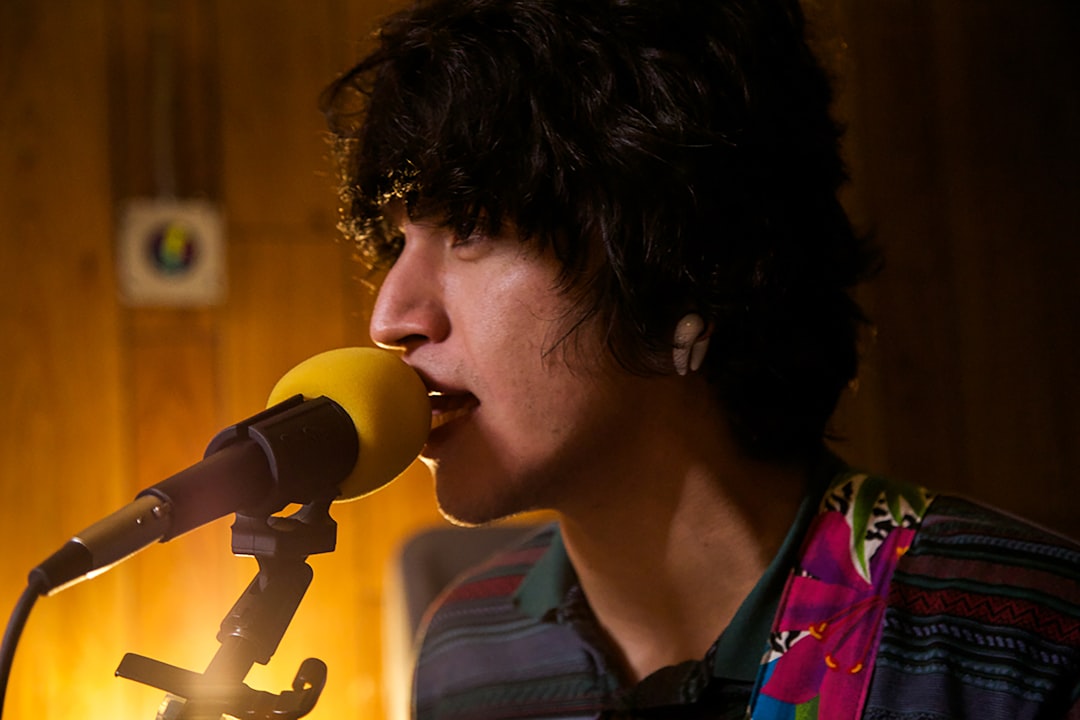
"Don't sound like a voice over" is direction I've received on probably 40% of the sessions I've done in the last decade. And every single time, the client means the exact opposite of what they're saying.
They want a voice over. They just don't want a 1950s radio announcer.
What Clients Actually Mean
When someone says "natural Spanish voice over tone," they're reacting against a very specific thing: that overly polished, dramatic cadence that sounds like it's selling you a Buick in 1958. The booming voice. The exaggerated pauses. The theatrical emphasis on random words. That style died decades ago, but somehow clients still think every voice over artist is going to show up sounding like a newsreel narrator.
What they actually want is someone who speaks well. Clear diction. Proper pacing. Professional delivery that doesn't feel forced. They want the script to sound like a human being said it — a human being who happens to have excellent pronunciation, doesn't stumble, and lands the emotional beats without melodrama.
That's still a voice over artist. That's what we do.
The Paradox Nobody Talks About
Here's the thing. If you grab someone off the street and put them in front of a microphone, they sound terrible. According to a 2022 Voices.com industry report, over 73% of first-time voice over attempts are unusable due to pacing issues, breath noise, or lack of emotional variation. The average person mumbles. They rush. They breathe in weird places. They don't know how to lift certain words without sounding like they're reading a bedtime story to a child.
Natural delivery is a skill. It takes years to develop.
And the clients who ask for "natural" still want 50 takes. They still want faster, slower, more warmth, less warmth. They still want the voice over artist to hit timing marks down to the tenth of a second. Try doing that naturally. (I've had sessions where the "natural" direction came with a 14.7-second timing requirement and music cues on every beat — nothing natural about that math.)
The First Take Usually Wins
After 20+ years doing this, one pattern holds almost universally: the first take is the best take.
The first interpretation comes from instinct. You read the script, you understand the intention, you deliver. That version has an organic quality because you haven't overthought it yet. By take 37, you're in your head. The delivery becomes mechanical. You're trying to remember what you did on take 12 that they liked, but you can't quite recreate it, and now everything sounds forced.
A Nielsen study on advertising recall found that audiences respond most strongly to vocal delivery they perceive as "effortless" — and effort is exactly what accumulates with excessive takes. The more you work a line, the more it sounds worked.
Clients who understand Spanish advertising voice direction know this. The experienced ones listen to takes one through three, pick their favorite, maybe ask for one small adjustment, and they're done. The inexperienced ones ask for 50 takes, then go back and listen to everything, then pick take one anyway. I've seen it happen so many times it's become predictable.
Scripts That Fight Against Natural Delivery
You want natural Spanish voice over tone? Start with a script that allows it.
Spanish runs approximately 30% longer than English in character count. A script that times perfectly in English will feel rushed in Spanish. The voice over artist ends up cramming words together, cutting natural pauses, and speaking faster than any human would in real conversation. That's not a performance problem. That's a script problem.
Have you ever listened to a Spanish ad and felt something was slightly off, even if you couldn't pinpoint why? Often it's this. The pacing feels unnatural because the script was never adapted for the language — just translated word for word and handed to someone expected to make it fit.
If you want the delivery to sound human, give the voice over artist room to breathe. I've written before about why Spanish scripts need adaptation, and this remains the most common issue I see in campaigns translated from English.
Music Changes Everything
One thing that genuinely helps natural delivery: recording against the actual music that will be in the final spot.
Music sets mood. Tempo. Energy level. When I record with the music track playing in my headphones, the delivery naturally syncs to the emotional landscape of the piece. The pauses fall where they should. The energy matches. It stops being a performance and starts being a conversation with the soundtrack.
But most sessions? They hand you a script, tell you the tone is "warm but professional," and expect you to imagine what the final product will feel like. Then they're surprised when the voice over doesn't quite sit right against the music they add later. If you have the music, share it. It costs nothing and changes the result dramatically.
What "Natural" Actually Requires
Natural Spanish voice over tone demands several things that are invisible to audiences but obvious to professionals. It requires native fluency — not learned fluency, but the kind you absorb from childhood. According to the U.S. Census Bureau's 2023 American Community Survey, over 41 million people in the United States speak Spanish at home. But growing up surrounded by Spanish and learning it as an adult produce completely different phonetic results. A non-native speaker cannot hear the difference between native and near-native, because the subtleties are too fine. Native speakers hear it instantly.
And neutral Spanish matters here enormously. Regional accents trigger associations — positive and negative. A Colombian accent selling to a Mexican audience creates friction. A Spanish accent trying to sound sophisticated to Latin American ears actually sounds slightly ridiculous (the British accent comparison Americans assume simply doesn't translate). Neutral Spanish solves this by removing regional markers entirely, letting the message land without geographic distraction.
The Voice Over Artist Serves the Brief
One more thing worth saying directly: the voice over artist is a professional at the service of advertising. We are not making art. If I want to make art, I do it at home.
When a client gives direction — faster, slower, more energy, warmer, colder — the job is to adapt. That's professionalism. The client who asks for changes is doing their job too. They're trying to find the version that serves their campaign. The voice over artist who pushes back on every adjustment, who insists their interpretation is correct, misunderstands the relationship entirely.
I can make suggestions. I often do. But ultimately the brief is the brief, and my job is to deliver what serves it best.
The Real Test of Natural
You know what actually sounds natural? A voice over where you forget someone is speaking.
The message lands. The product registers. The call to action feels obvious rather than forced. You don't notice the voice because it's doing its job — carrying the script without drawing attention to itself. That's the goal. That's what "don't sound like a voice over" actually means when you strip away the confusion.
It's still a voice over. Just one that works.
Need a Spanish voice over for your next project? Get in touch and I'll get back to you within the hour.