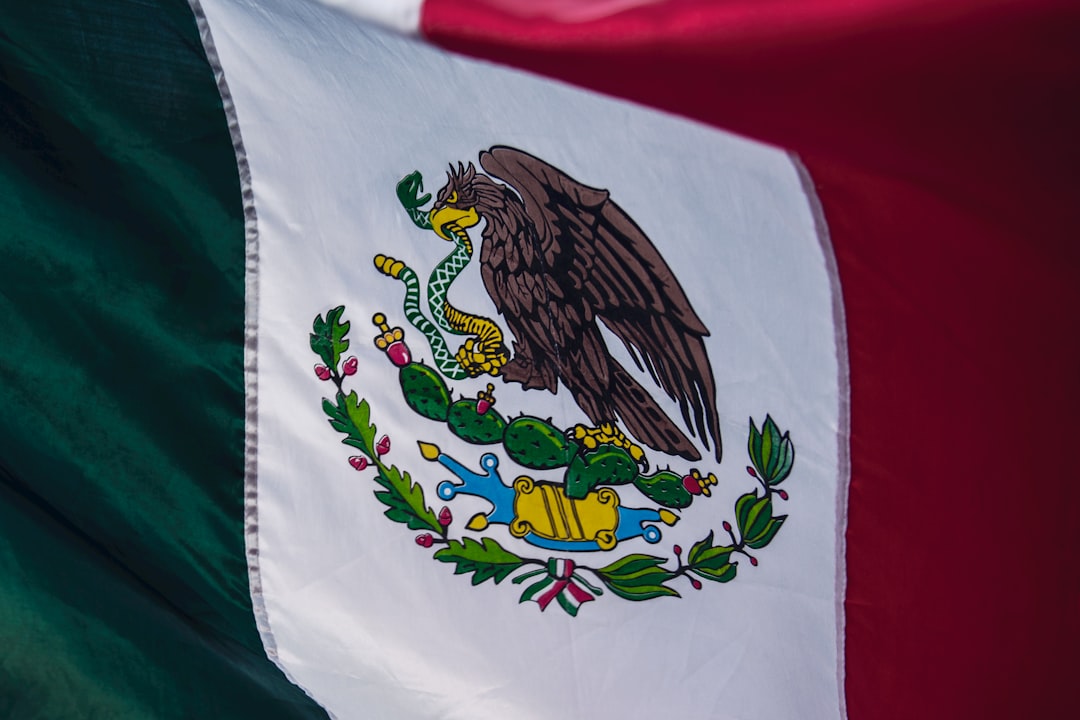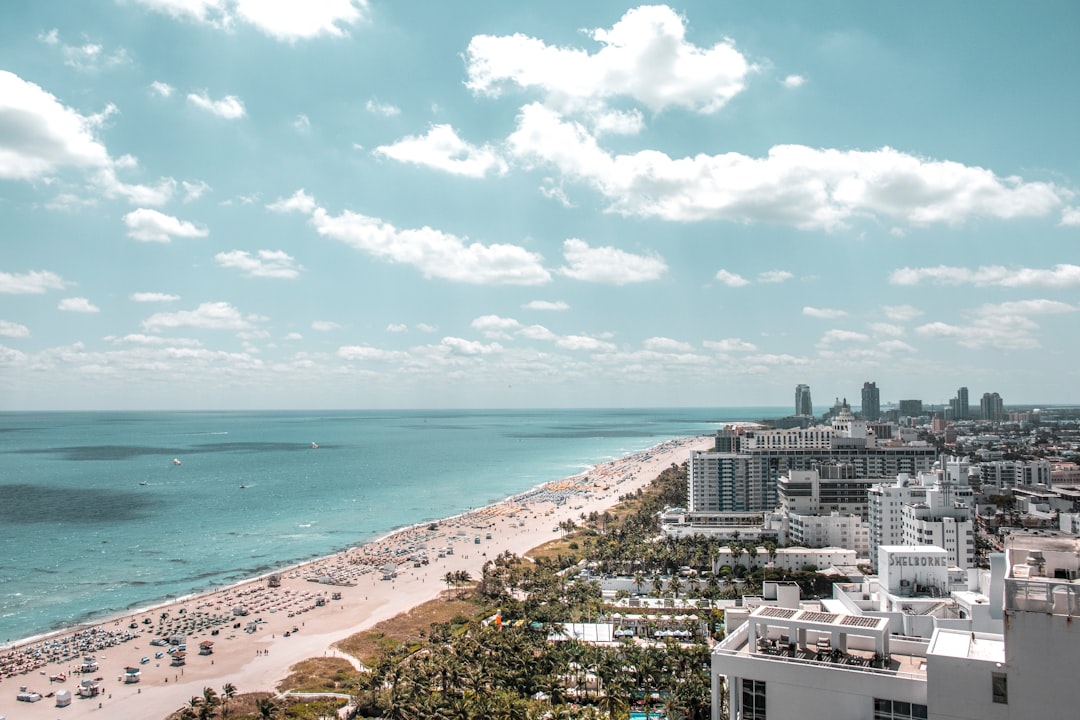
The Latino market beyond Miami exists in every major US city, and most brands still act like it doesn't. According to the US Census Bureau's 2023 American Community Survey, there are over 62 million Hispanics in the United States, representing nearly 19% of the total population. They're in Phoenix. They're in Chicago. They're in Charlotte, Nashville, Minneapolis, and yes, even in cities where you'd never expect to hear Spanish on the street. The assumption that Spanish-language advertising only matters in Miami, Los Angeles, and the Texas border is outdated by about two decades.
Spanish speakers live where you think they don't
Here's a number that surprises people: according to Pew Research Center, the Hispanic population grew by 23% between 2010 and 2020 in states like North Carolina, Tennessee, and Georgia. These aren't traditional Latino hubs. They're places where the meatpacking plant, the construction boom, or the agricultural sector created jobs that attracted Spanish-speaking workers twenty years ago, and now their children are buying cars and opening bank accounts.
Minneapolis has a Latino population of over 60,000.
Phoenix has more Spanish speakers than some Latin American capital cities. Nielsen reports that Phoenix ranks among the top ten Hispanic markets in the US, with over 1.2 million Latinos in the metro area. And the growth isn't slowing down — it's accelerating in places brands haven't even started to consider.
The geographic assumption that costs brands money
When a brand decides to launch a Spanish-language campaign, the first instinct is often to target Miami and Los Angeles. Makes sense on paper. But the reality is that those markets are saturated, competitive, and expensive. Meanwhile, cities like Raleigh-Durham, Columbus, and Indianapolis have growing Hispanic populations that rarely hear Spanish advertising tailored to them.
The US Hispanic market nationwide isn't a series of isolated pockets. It's a continuous presence across the entire country. And the brands that recognize this early capture audiences that nobody else is even talking to. (I've had clients discover their biggest growth came from markets they initially dismissed as "too small to bother with.")
Why regional targeting often backfires
Have you ever wondered why a brand would spend six figures on a Spanish campaign only to have it fall flat in half the cities where it runs? The answer usually comes down to accent. A brand that chooses a Mexican accent for a national campaign will connect well in Texas and California but create friction in Florida, where Cuban and Puerto Rican listeners dominate. The reverse happens when brands go Caribbean for a national spot — it lands wrong in the Southwest.
The US Hispanic audience is geographically diverse and linguistically varied. But here's the thing: neutral Spanish solves this problem entirely. When you need to reach Spanish speakers in every US city, from Boston to Boise, neutral Spanish creates a voice that doesn't alienate anyone and connects with everyone.
The cities nobody talks about
Let me give you some specifics. According to the Census Bureau, the following cities have Hispanic populations exceeding 100,000: Seattle (159,000), Denver (350,000), Philadelphia (240,000), and Detroit (163,000). These aren't secondary markets anymore. They're major consumer bases that happen to speak Spanish at home.
And it goes deeper than raw numbers. Nielsen's Diverse Intelligence Series found that Latino consumers in non-traditional markets often have higher engagement with Spanish-language media because they have fewer options competing for their attention. In Miami, your Spanish ad competes with dozens of others. In Columbus, you might be the only brand speaking to that audience in their language.
That asymmetry is an opportunity.
The voice over implication
When brands realize the Latino market extends beyond traditional hubs, the immediate question becomes: what voice works everywhere? You can't cast a different voice for each region. The budget doesn't exist, and the fragmentation would kill brand consistency. But you also can't pick a strongly regional accent and hope nobody notices.
This is where I spend a lot of my time explaining why neutral Spanish exists and how it works. Neutral Spanish is a deliberate construction — a way of speaking that removes the most identifiable regional markers while keeping the warmth and clarity that makes Spanish effective in advertising.
It's what allows Ford to run the same Spanish radio spot in Houston and Hartford. It's what lets Google use one voice for a YouTube pre-roll that plays in Los Angeles and Lexington.
The accent mistake I see constantly
Brands often request specific regional accents based on gut feeling rather than data. "I want Colombian because it sounds friendly." "I want Mexican because that's most of our audience." "I want Puerto Rican because our creative director's wife is from San Juan."
None of these are strategies. They're feelings dressed up as briefs.
The reality is that arbitrary accent requests create campaigns that work in some cities and alienate audiences in others. And when your campaign runs nationally — which most digital campaigns effectively do — you're gambling with half your reach.
National campaigns require national thinking
A Spanish voice over for a campaign that runs in every US city needs to be designed for geographic neutrality from the start. That means casting a voice that doesn't scream any particular region, scripting in Spanish that avoids localisms, and directing for a tone that travels.
I've recorded campaigns for brands like Nike and Amazon that needed to work from coast to coast without regional friction. The process starts with understanding that 60 million Spanish speakers aren't clustered in three cities — they're distributed across fifty states, each with their own demographic mix and media consumption habits.
Small markets, big opportunity
The irony of the US Hispanic market is that the biggest untapped opportunities often exist in the smallest markets. A regional bank in North Carolina that invests in quality Spanish voice over can dominate a market that national competitors have ignored. A healthcare system in Tennessee that communicates in Spanish builds trust with a community that's been underserved. A car dealership in Ohio that runs Spanish radio captures buyers who've never heard their language in local advertising.
These aren't theoretical scenarios. They're happening right now, and the brands that move first build loyalty that's hard to break.
What this means for your next campaign
If you're planning a Spanish-language campaign with any kind of national reach, the geographic reality should inform every decision you make. The voice you choose, the accent you cast, the dialect in your script — all of these either expand your reach or limit it. Thinking beyond Miami and LA isn't optional anymore. The Latino market exists in every US city, and treating it as a coastal phenomenon means leaving money and market share on the table.
Need a Spanish voice over for your next project? Get in touch and I'll get back to you within the hour.